
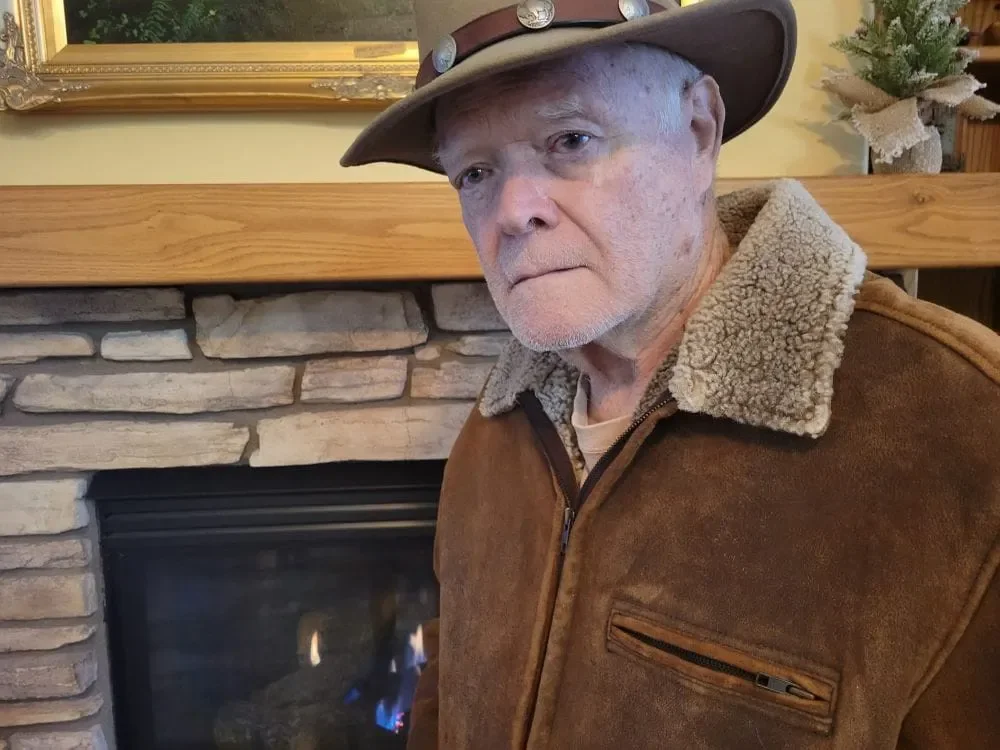
Ted Stubblefield: Another Giant Gone
Ted Stubblefield, a longtime U.S. Forest Service leader and Evergreen Foundation board member, died Saturday evening, July 25, at his home in Prescott, Arizona. He was 85 and remained committed to Evergreen even in declining health. Remembered as a tough, fair, and deeply dedicated forester, Stubblefield leaves behind a legacy of leadership, stewardship, and service that shaped forests and the people who worked them
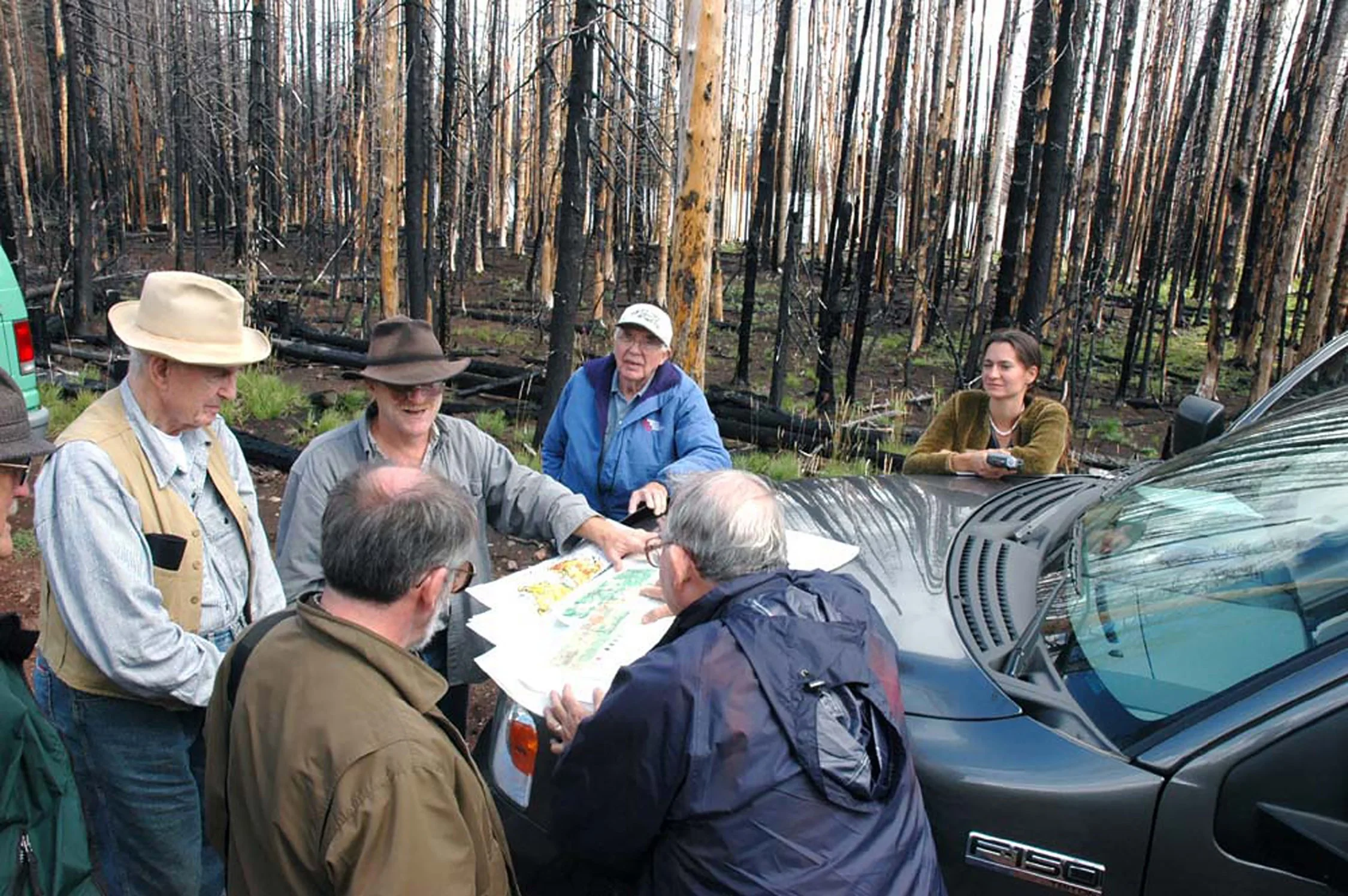
Environmentalitis & Catastrophic Wildfires: Unintended Consequences
An AI reading of the two-part article by Bob Zybach , PhD, in the Oregon Fish & Wildlife Journal (Spring 2026, Part 1: 1969–1996; Summer 2026, Part 2: 1996–2025), summary prepared by Claude (Anthropic) at the request of Dave Sullivan, July 2026.
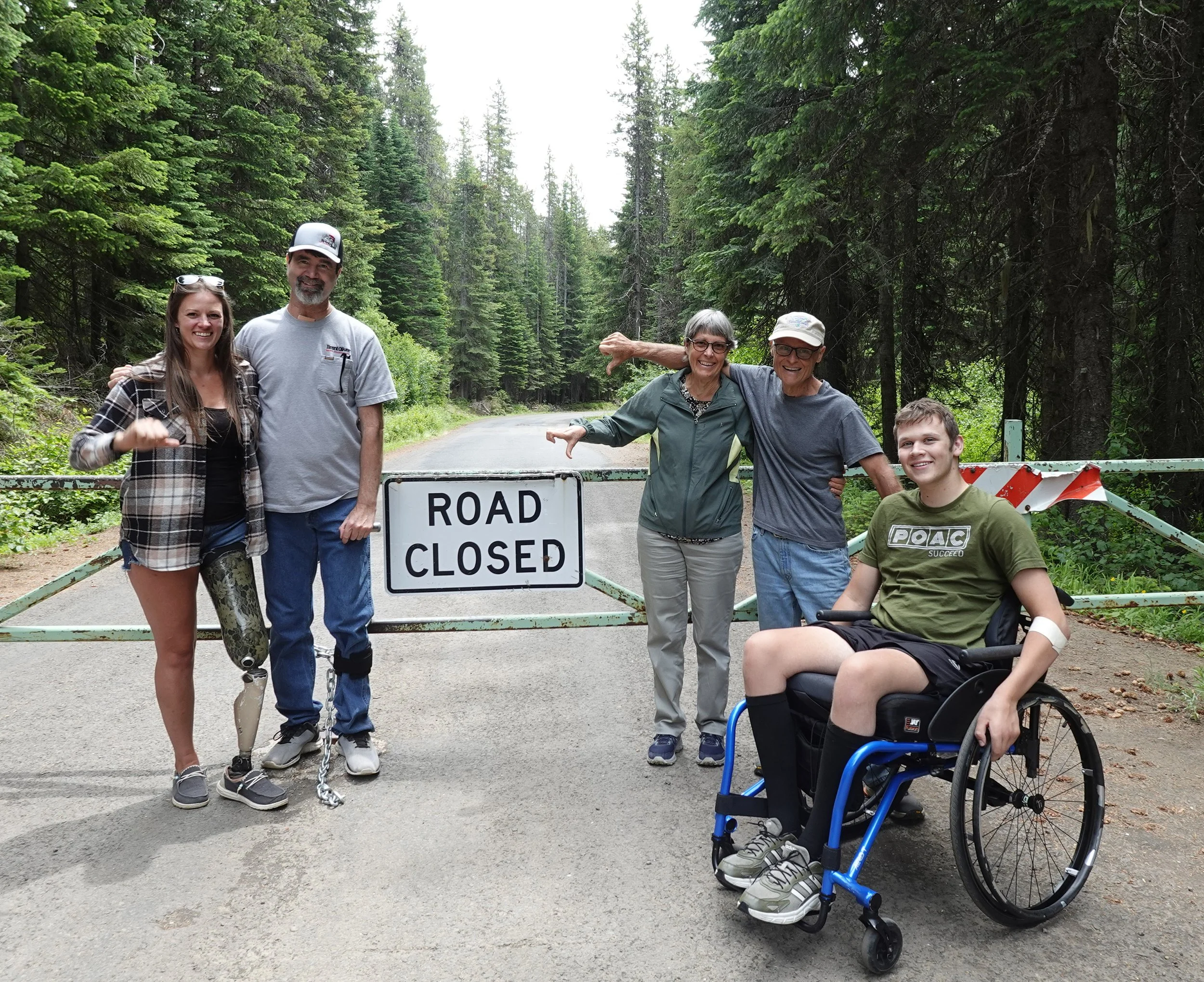
Stewardship Without Access: What Are We Really Conserving?
In this article, Brent Oliver argues that stewardship means more than preserving forests—it also means maintaining the roads, trails, campgrounds, and accessible facilities that allow the public to use them. Drawing from the Jubilee Lake trail and the Forest Service’s growing deferred maintenance backlog, he makes the case that access is becoming an overlooked part of stewardship and a civil rights issue for people with disabilities.
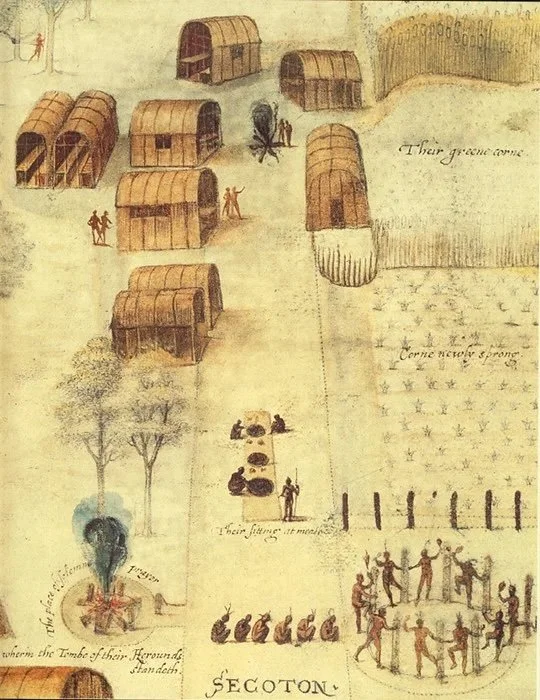
From the Vault MacCleery: April 29, 2010
Brent Oliver argues that stewardship means more than preserving forests—it also means maintaining the roads, trails, campgrounds, and accessible facilities that allow the public to use them. Drawing from the Jubilee Lake trail and the Forest Service’s growing deferred maintenance backlog, he makes the case that access is becoming an overlooked part of stewardship and a civil rights issue for people with disabilities.
From the Vault - U.S. Wildfire Cost-Plus-Loss Economics Project:The “One-Pager” Checklist
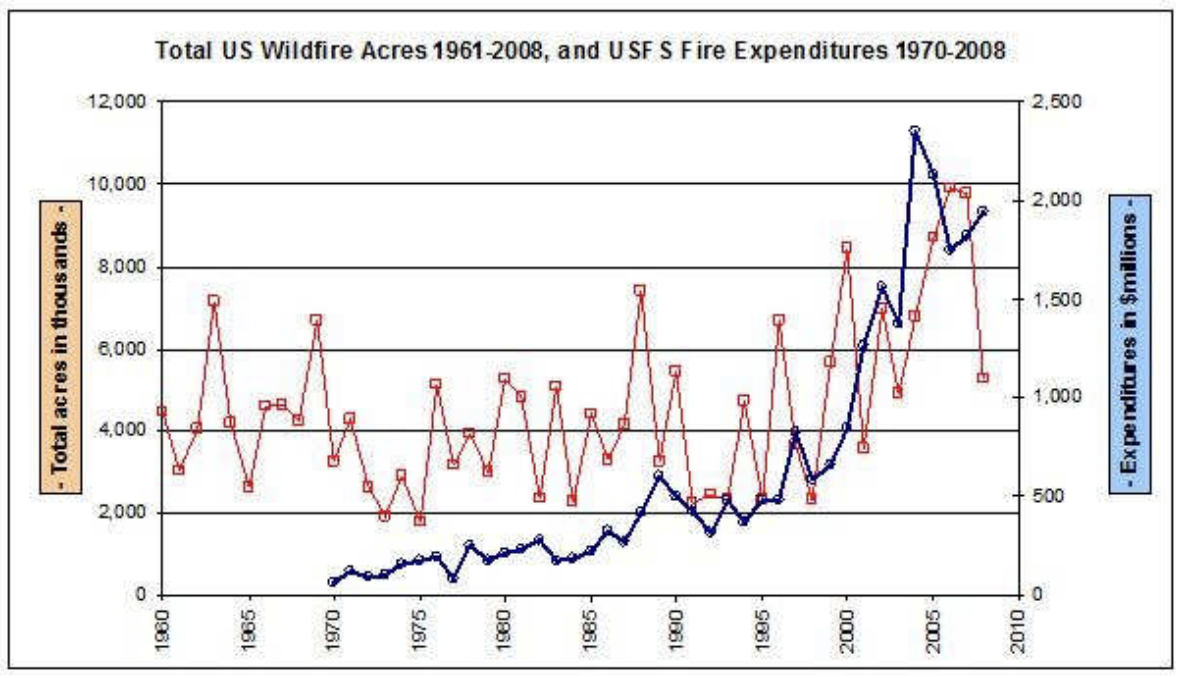
In this article, Bob Zybach, Michael Dubrasich, Greg Brenner, and John Marker explain how wildfire cost‑plus‑loss accounting reveals that suppression costs are often just 2–10% of total damages, using the Douglas Complex fire and a simple 11‑category checklist to help citizens, landowners, and officials quantify real wildfire impacts.
10 AM Policy and "Let It Burn" Wildfires
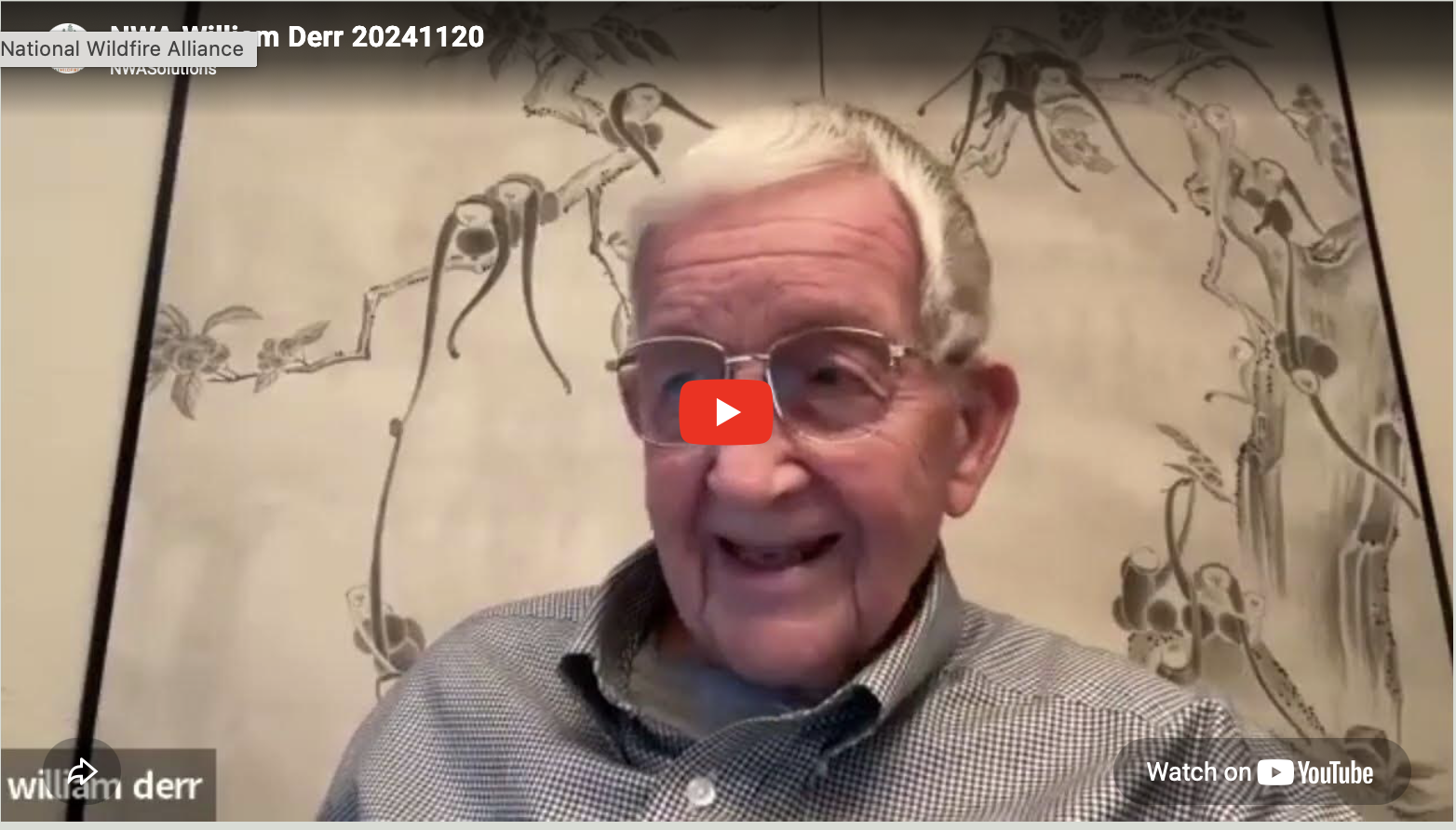
In this transcribed and indexed video, William Derr explains the 10 A.M. Policy, condemns “let it burn” wildfire strategies, outlines H.R. 934’s push to restore full suppression, and argues that early satellite detection and stronger Forest Service leadership are key to ending unnecessary megafires.
The 2013 Pearce Wildfire Report: Current Update
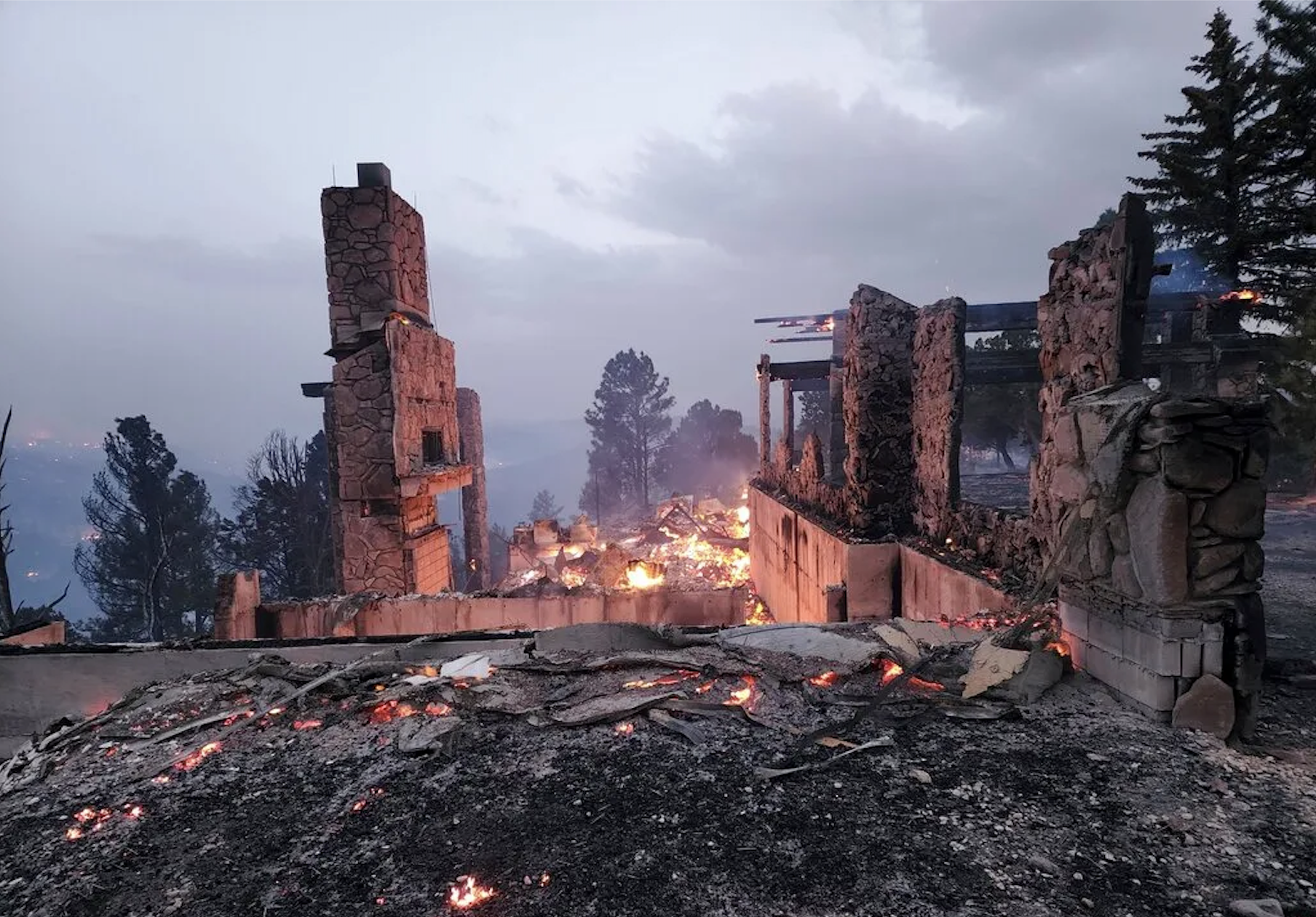
This piece traces Steve Pearce’s rise to BLM Director back to New Mexico’s catastrophic 2012 fires, highlighting William Derr fire report, NWA’s four enduring principles on suppression and fuel treatment, and the unresolved policy failures that allow “let burn” wildfires and litigation‑driven management to keep producing avoidable megafires.
Prescribed Fire Planning
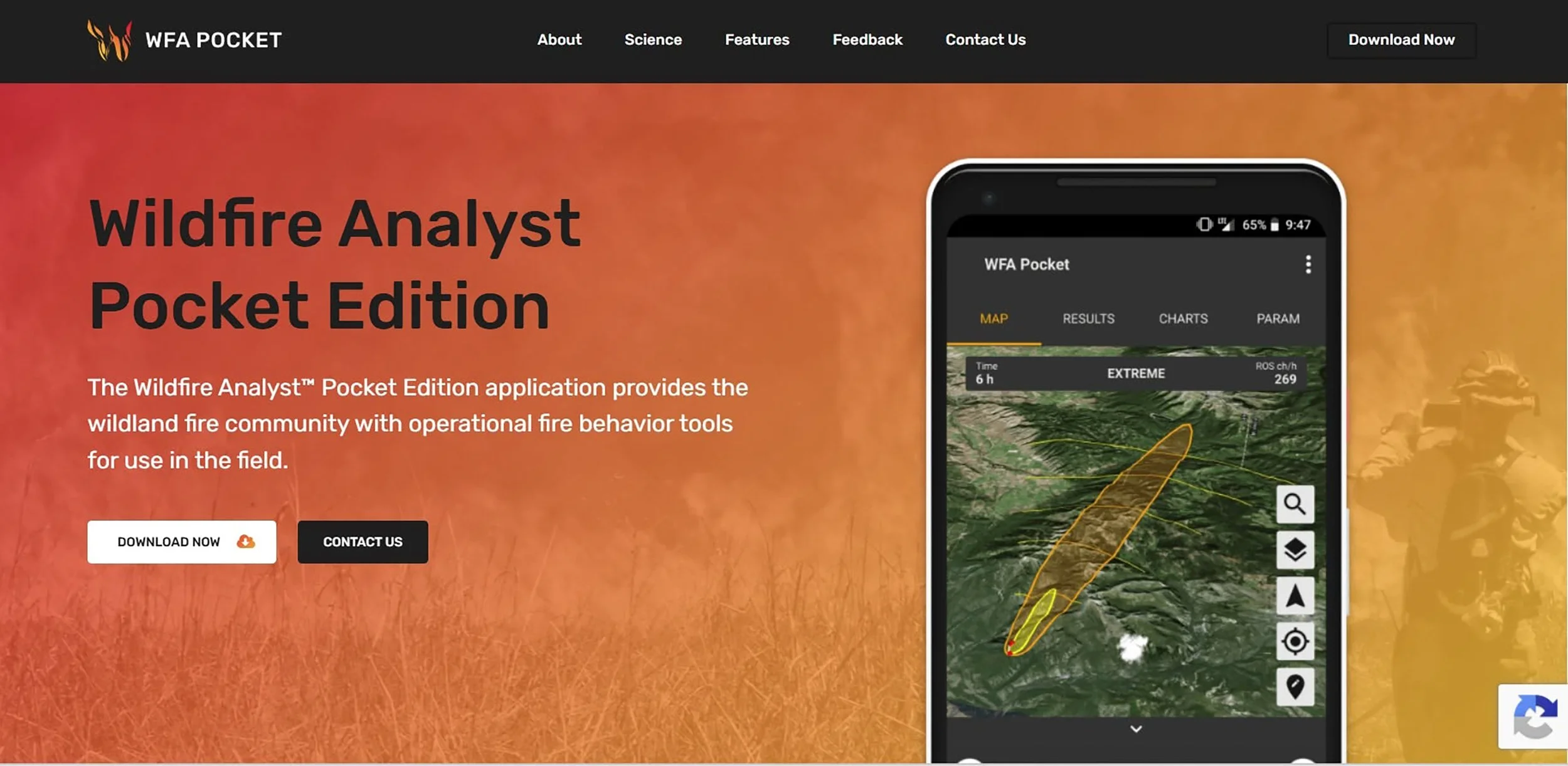
This article by Royal Burnett breaks down prescribed fire planning, outlining how to design burn prescriptions with clear objectives, control lines, fuel and weather parameters, contingency plans, and fire‑spread modeling tools that support safe, effective wildland fire use.

Defining Wildfire Economics
Jim Petersen’s Evergreen essay defines wildfire economics through Bob Zybach’s forest history, scientific debates over old growth, and a hard look at the real dollar costs of suppression, salvage logging, lumber production, biomass, and policy decisions
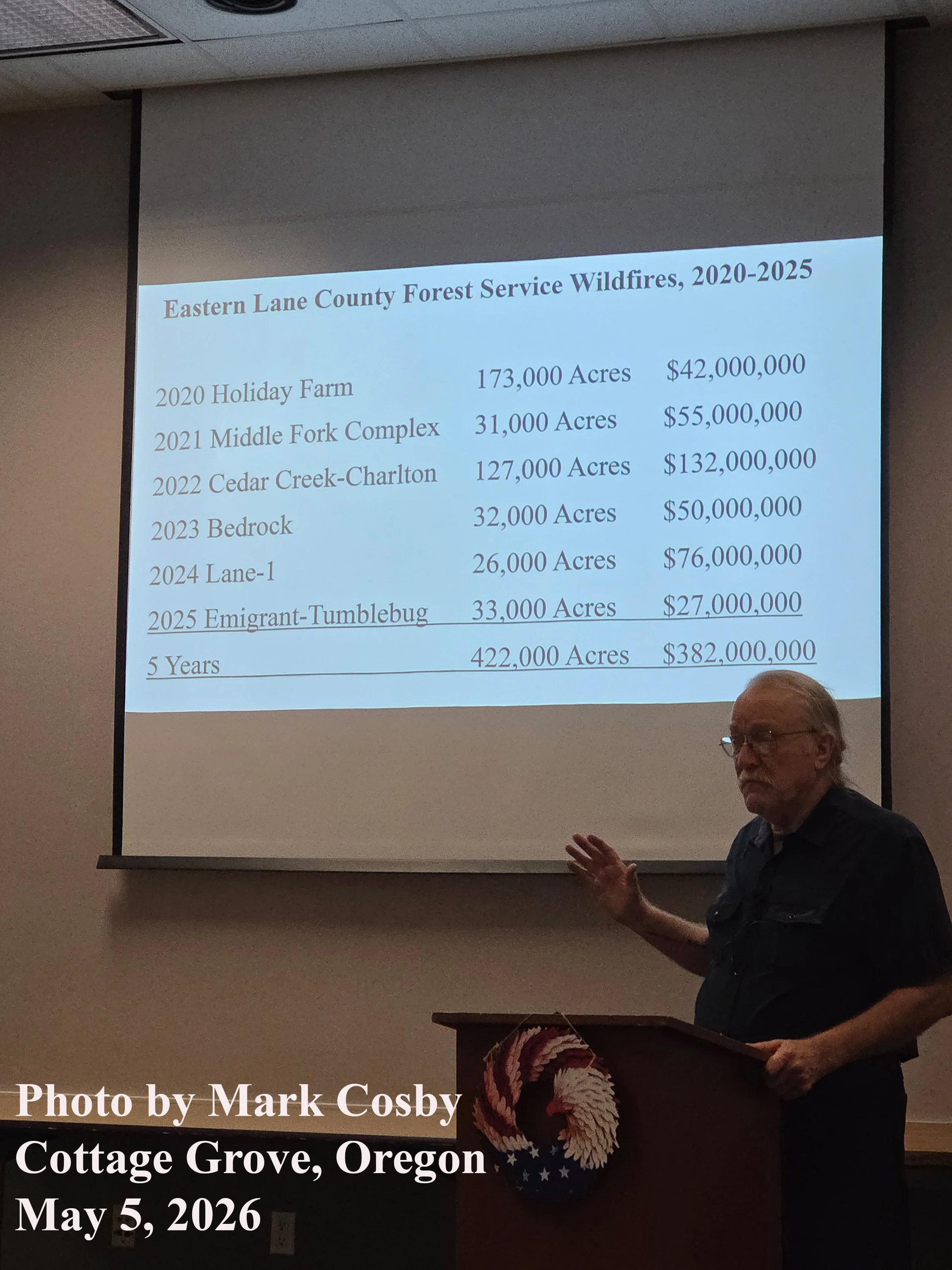
Eastern Lane County Catastrophic Wildfires, Toxic Smoke & Opportunity
"Eastern Lane County Catastrophic Wildfires, Toxic Smoke & Opportunity" is a 59-minute presentation by Dr. Bob Zybach to the Cottage Grove 912 Project on May 5, 2026. The presentation was videotaped by Jim Lockhart for ORWW educational purposes and edited by Lockhart and Zybach to accurately document the images and discussion.
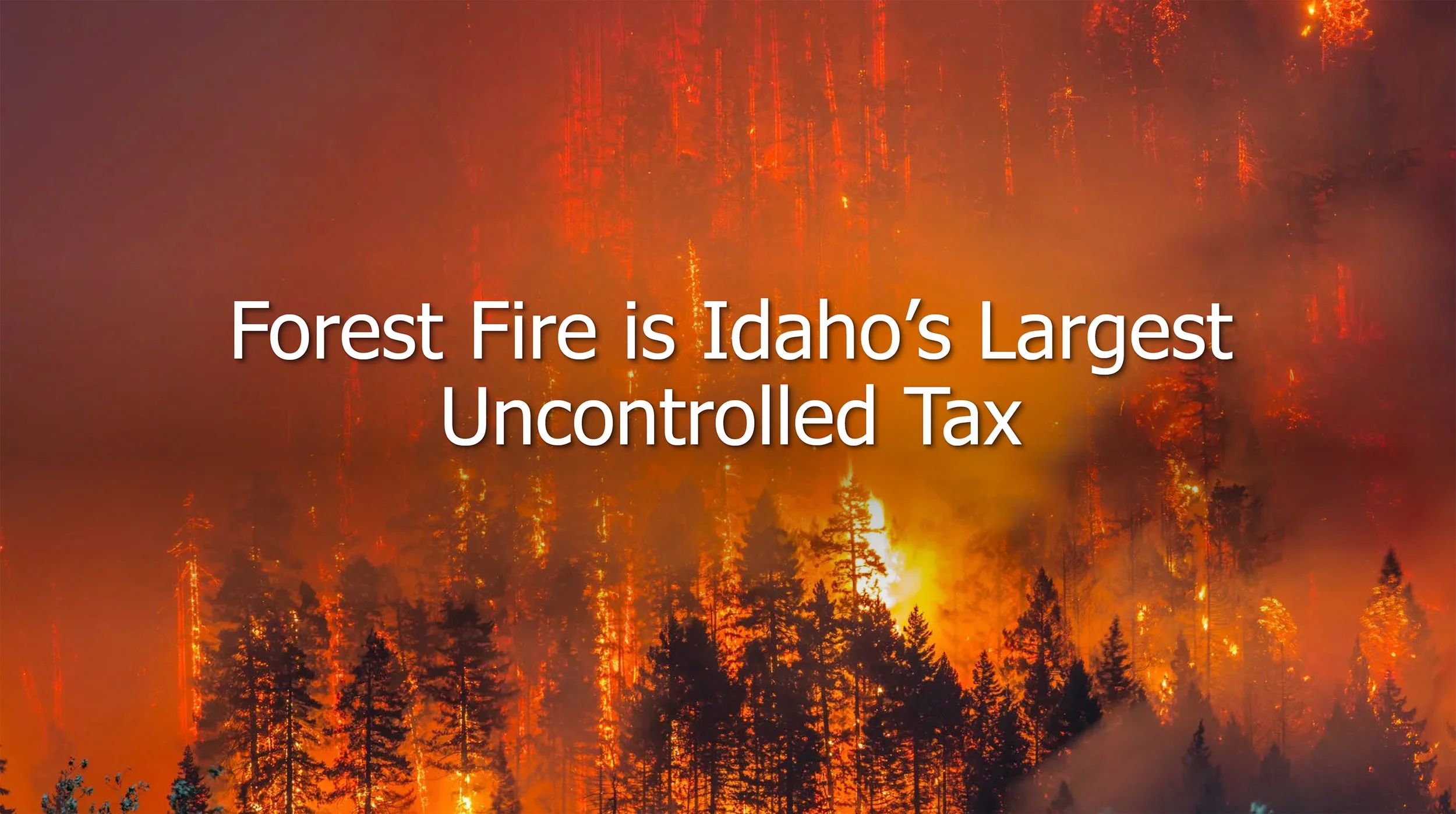
Forest Fire Is Idaho's Largest Uncontrolled Tax
In her June 19 speech, Jen Hamaker shares that Forest fire doesn’t send a tax bill, but Idahoans pay for it every year in suppression costs, lost timber value, damaged watersheds, and diminished opportunities for rural communities and future generations.
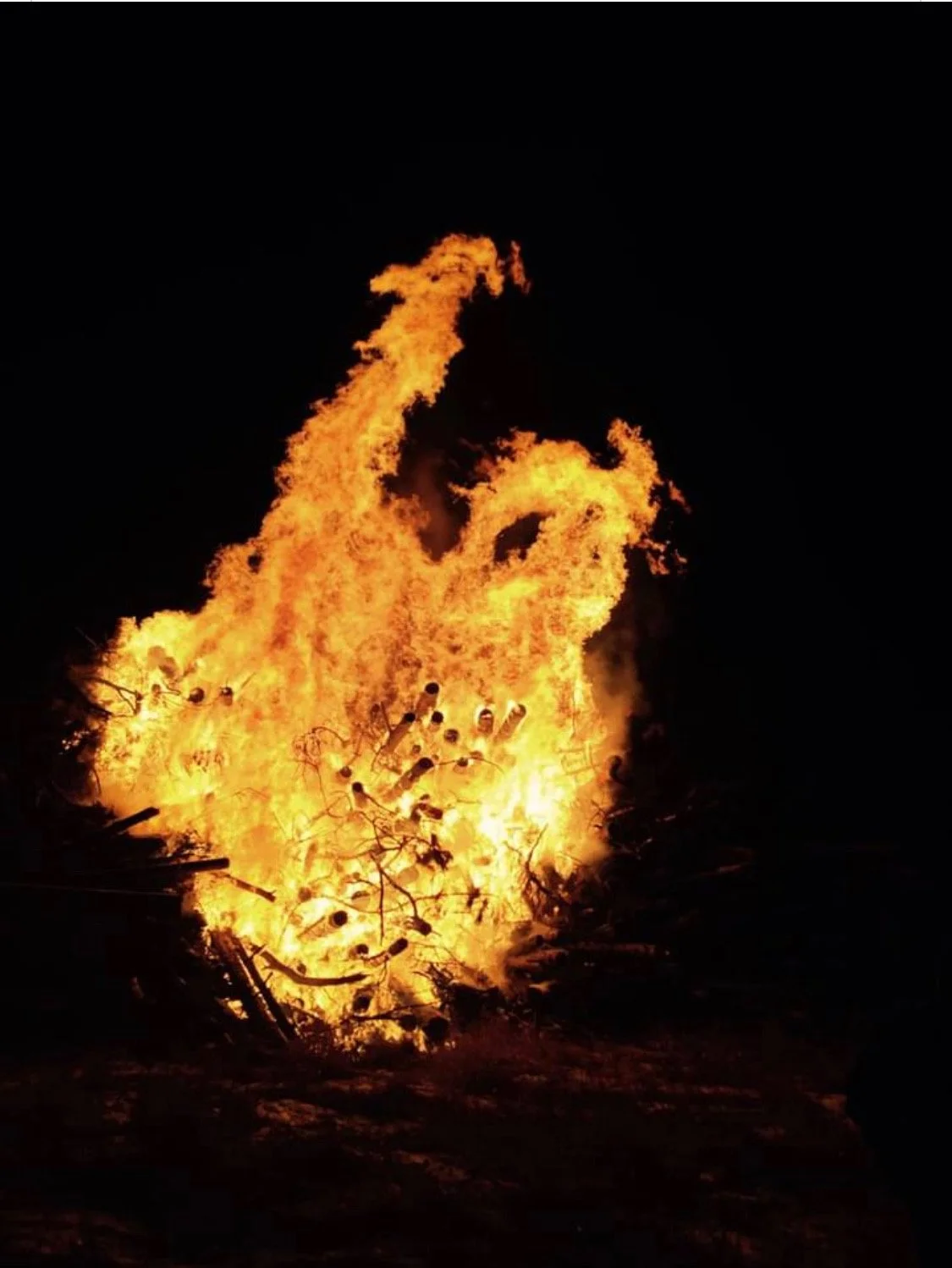
“Strange Fire”
Dana Tibbitts editorial examines the growing crisis in American wildfire through the lens of discernment—distinguishing between natural fire that sustains ecosystems and altered fire driven by institutional systems, modern materials, and policy incentives. Drawing on both ancient warning and contemporary fire behavior, this piece challenges the collapse of distinction that now defines wildfire management and its consequences for land, communities, and stewardship.
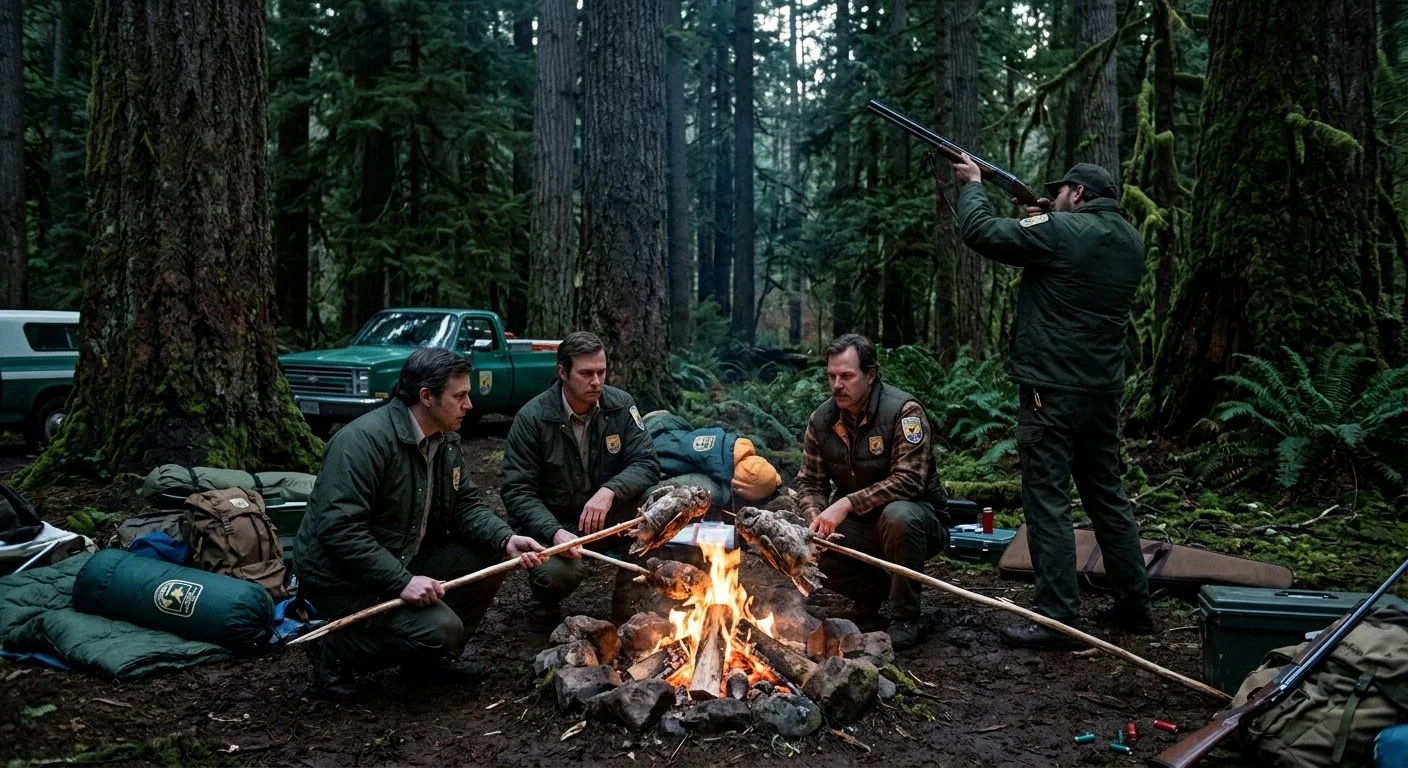
The Forest Service Didn't Fail Us - The Environmental Industry Captured It
Frank Carroll takes a critical look at the Interior Department’s move to cut conservation partnerships, arguing it signals a shift back toward active forest management, rural engagement, and accountability in wildfire policy.
Our Forests, Our Future: Rejecting the "Hands-Off" Dogma That Is Burning America
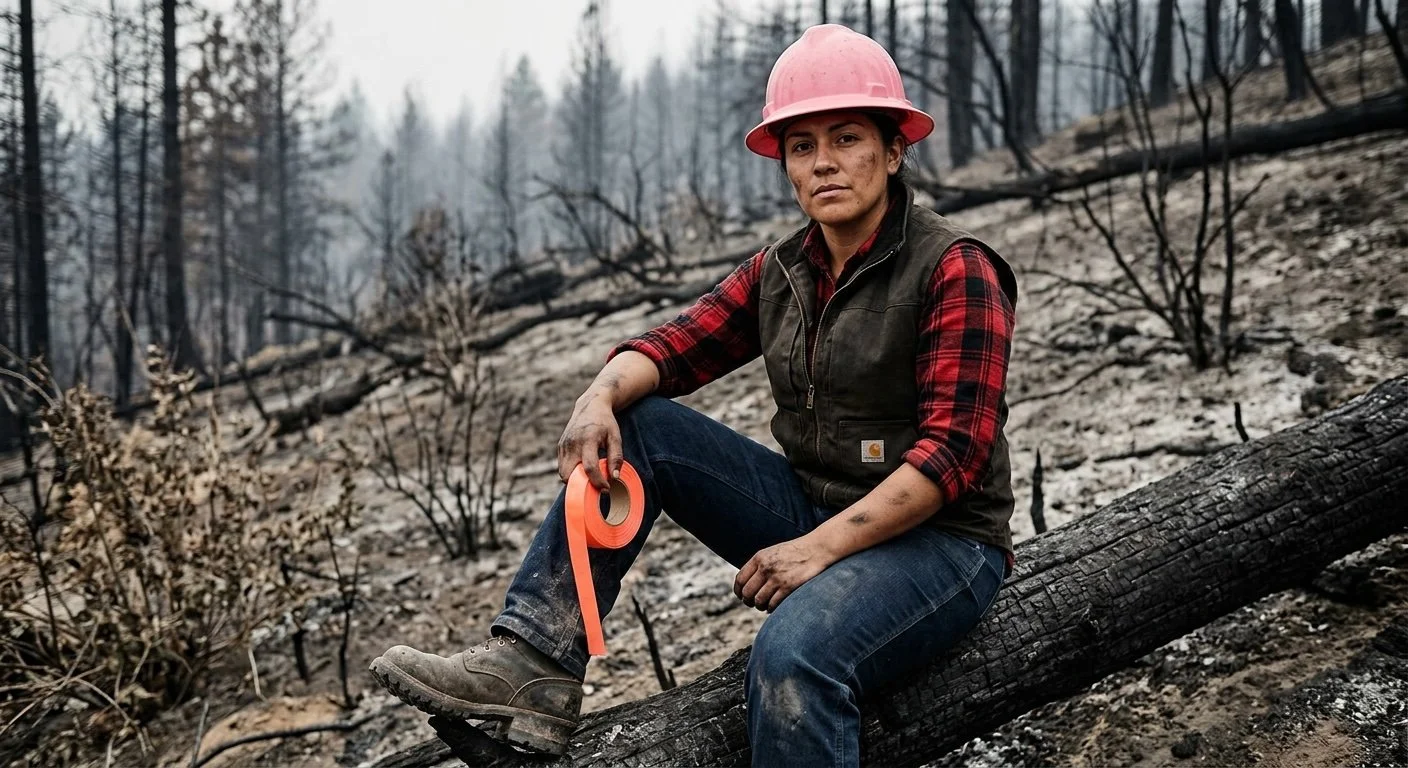
In this editorial, Frank Carroll rejects hands-off forest policy and argues that active management is essential to protecting national forests, rural communities, and public resources. Framed as a response to preservationist wildfire arguments, the article makes the case for thinning, timber harvest, prescribed fire, and multiple-use stewardship.
Who Were The Pioneer Smokejumpers?
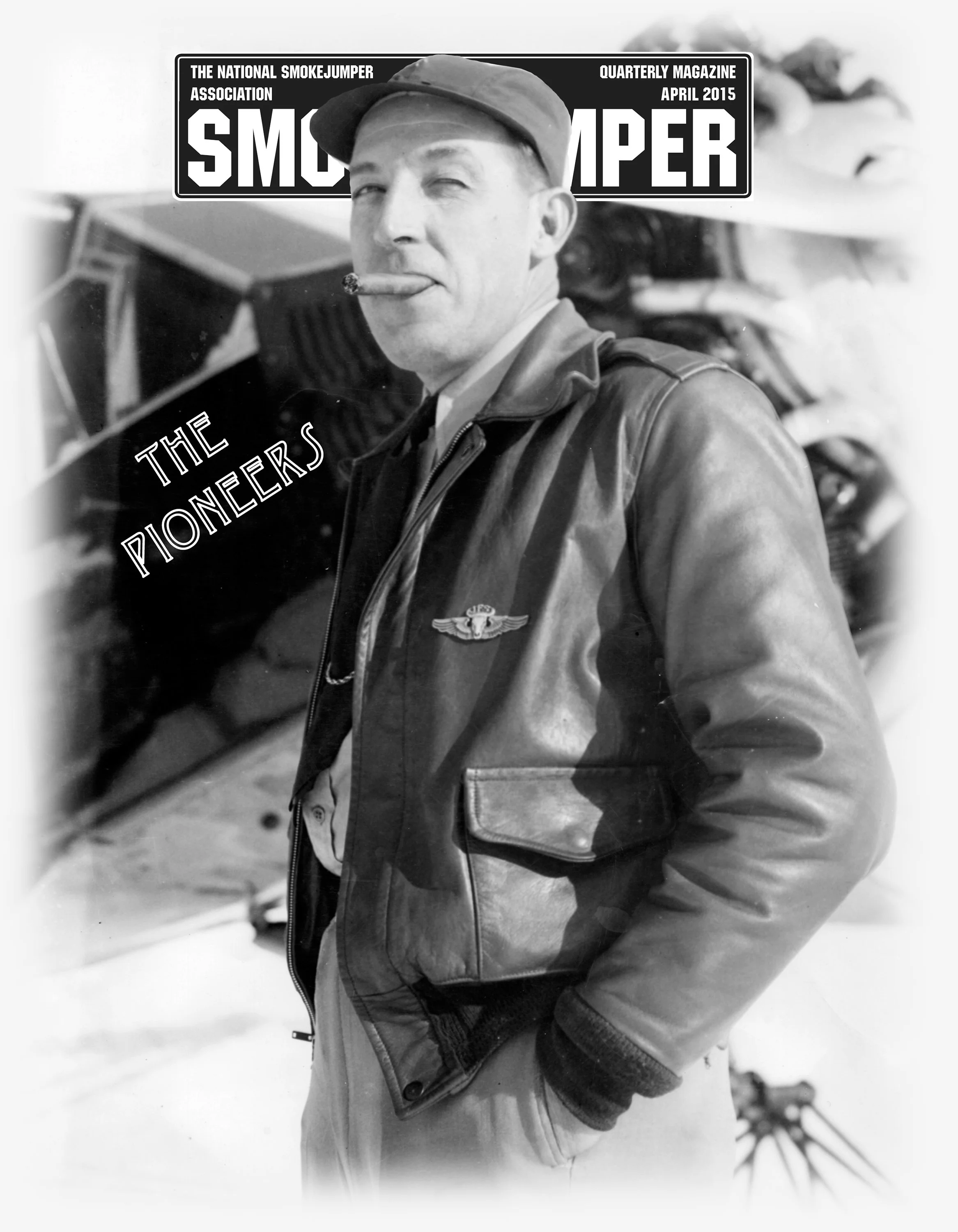
This article by Chuck Sheley traces the origins of smokejumping in the United States, beginning with the 1939 experimental program and the first operational bases in 1940. It highlights the early jumpers, trainers, and organizers who proved firefighters could parachute safely into rugged terrain and helped establish the smokejumper program’s foundation.
New Alliance Building Wildfire Readiness & Forest Resilience Across the American West
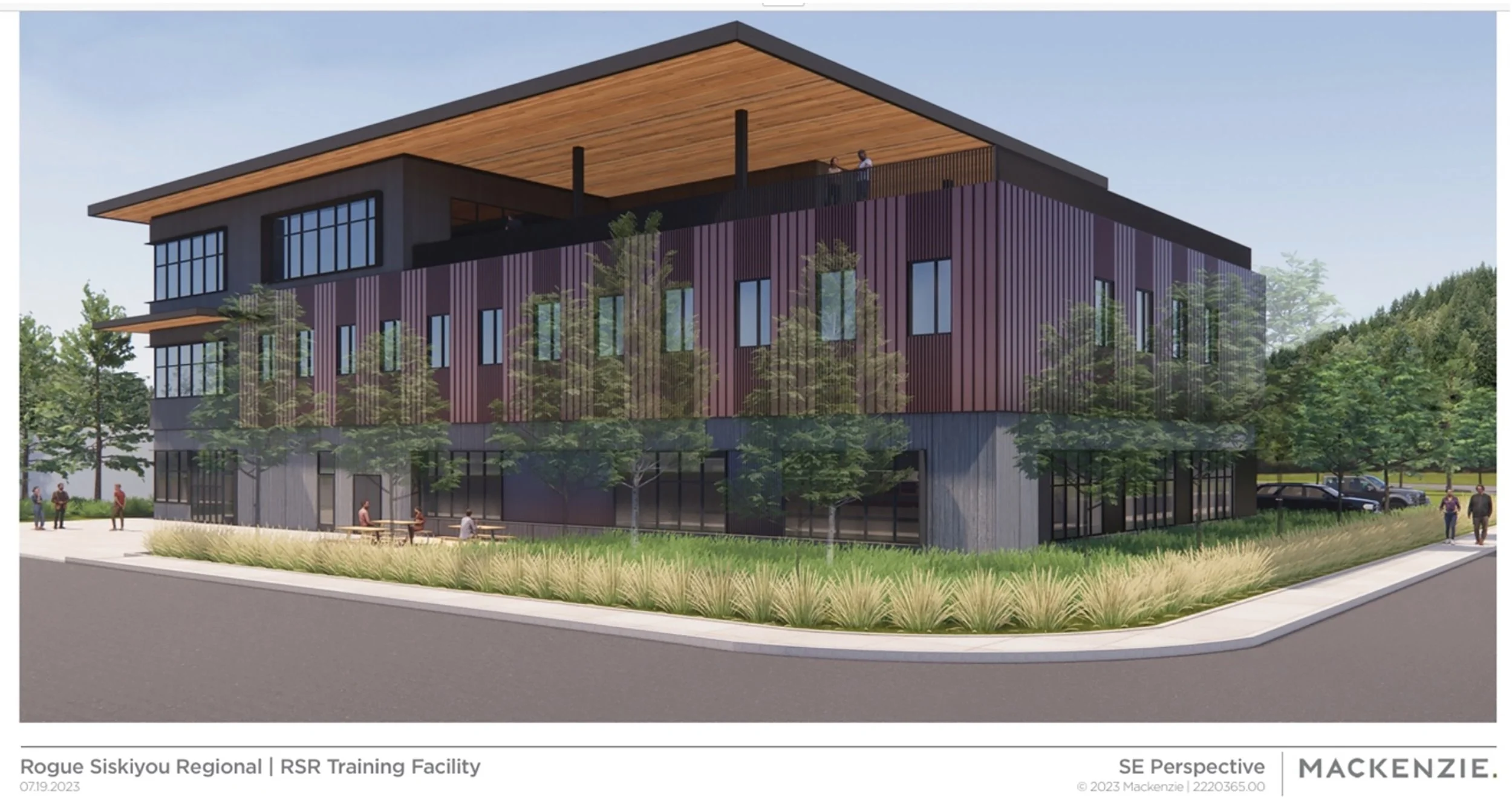
Dana Tibbitts reports on the new partnership between the National Wildfire Alliance and the Rogue Siskiyou Regional Wildfire Training Center (RSR), a partnership focused on building a year‑round wildfire workforce, rapid response capacity, and long‑term forest and community resilience across the American West.
Rebuilding the Forest Service: Part 2
In this Evergreen Magazine interview, Jim Petersen talks with retired Forest Service leader Phil Aune about his career and his view that centralized planning, policy shifts, and managed wildfire have undermined active forest management. He argues that rebuilding the Forest Service requires stronger leadership, measurable outcomes, and decisions moved closer to the ground.
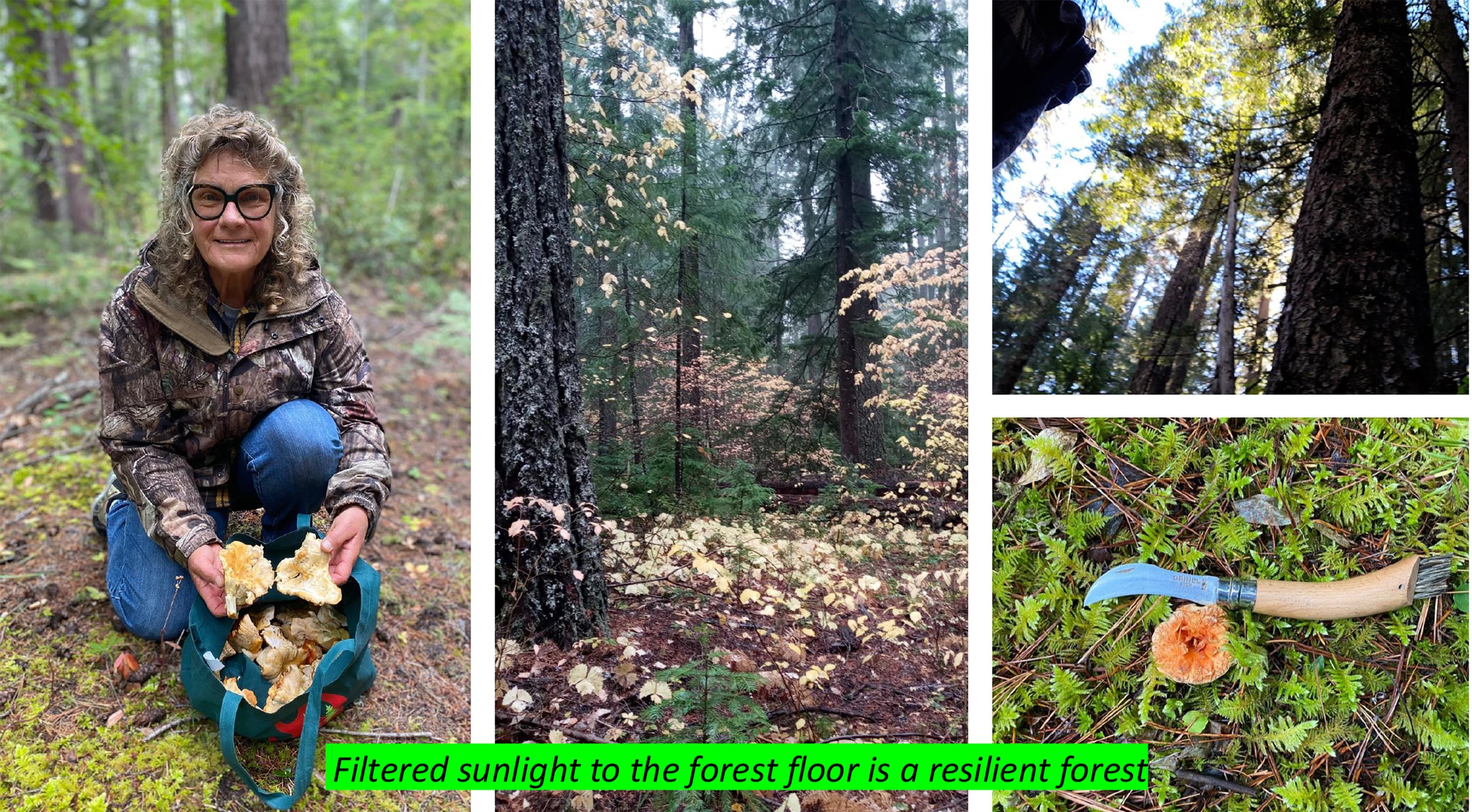
Forest Under Stress | Respiration & Filtered Sunlight
Rachel Lee Hall is a forest photographer and educator documenting forest stress, thinning, and prescribed fire in Southern Oregon’s Rogue River–Siskiyou National Forest. Her work with Forest Under Stress highlights how filtered sunlight, open canopies and Active Forest Management restore respiration, soil moisture, and resilience while reducing catastrophic crown fire risk.
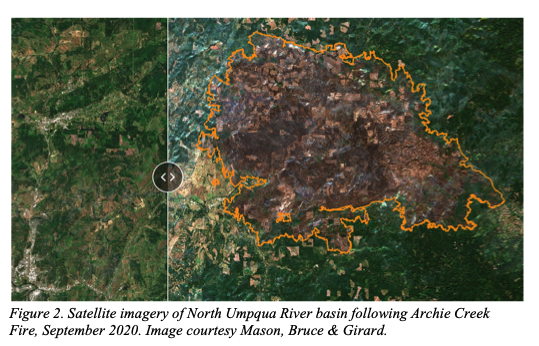
A Growing Sea of Snags
North Umpqua River Wildfires, 2002–2022: Risks and Recommendations by Dr. Bob Zybach examines the causes and impacts of catastrophic wildfire in the North Umpqua basin following the 2020 Labor Day Fires. The report analyzes fuel conditions, prior fire effects, and landscape management factors contributing to fire behavior, and offers recommendations aimed at reducing future wildfire risk to communities, infrastructure, and forest ecosystems.

The Battle Changed Terrain: “There Is a Battle for America”
A discovered 1984 recording sparks a powerful reflection by Dana Tibbitts on America’s long conflict over forests and public lands. This article argues that today’s megafires, damaged watersheds, and collapsing forest health are the visible results of failed policy — and a call to restore rapid response, accountability, and measurable stewardship.