More information
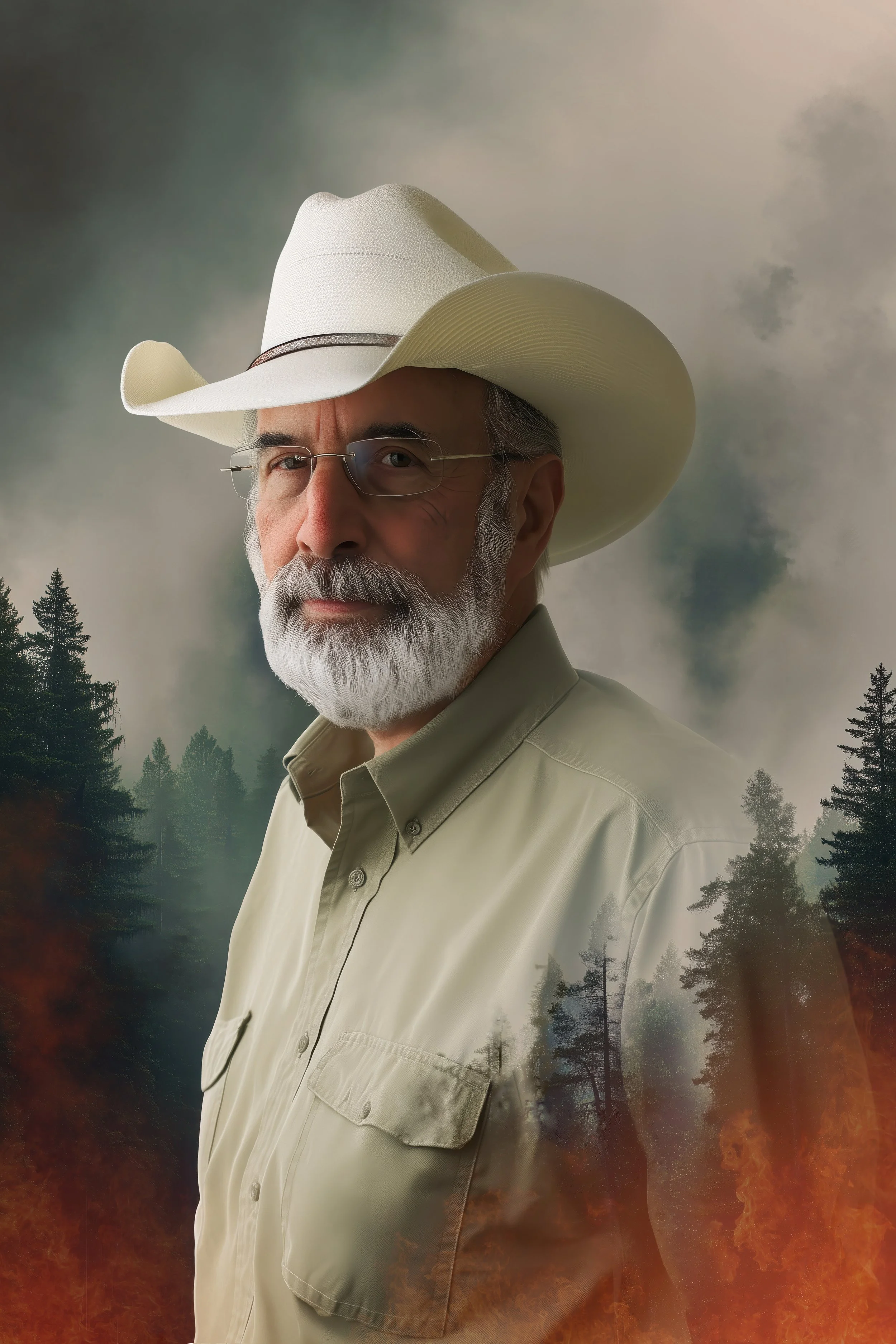
Frank Carroll
Pueblo, Colorado
Forestry and Wildfire Consultant in the 11 Western States, the Northern Great Plains, and the Southeast
Frank Carroll is a wildfire consultant with extensive experience in wildfire policy, forest management, and national incident response systems. His work emphasizes the need for accountable fire suppression policy, safer and more effective suppression technologies, and structural reforms to improve emergency response efficiency and public safety.
Biography
Wildfire and forestry expert consultant. Specializing in wildfire policy and practice, wildfire forensics, and looking at the overarching picture of wildfire management, forest management, and active management in the United States on both public and private lands.
The Forest Service and its wildfire management policies aimed at sustainable outputs and outcomes in perpetuity—meaning living, functional forests—have been replaced by alternative fire suppression strategies, like "monitoring," “confine and contain,” “wildfire use,” “applied wildfire,” and “reintroducing fire to fire-depleted ecosystems.” These various strategies have led to widespread forest destruction with no follow-up for timber salvage, reforestation, or logging and thinning to maintain sustainable forests for Americans to use and enjoy.
We need a regulated, transparent, and accountable fire suppression policy that prioritizes public safety, agency accountability, and environmental protection. There is currently no legal basis for intentional wildfire use, and no adequate or comprehensive effort to document and disclose cumulative effects. There is also no legal recourse for private parties and other owners that fall victim to unilateral agency decisions to use fire in ways that affect more than federal lands.
Alternative arrangements from CEQ [Council on Environmental Quality] have now fallen away, along with the [1984] Chevron Deference—both of which previously provided cover for current policies, and now have no effect in law.
The second reform is in the fire suppression methods that we need to reconsider. Common fire retardant chemistries pose environmental and health concerns due to their compositions, which contribute to nutrient pollution, threaten water quality, inhibit plant growth, and pose potential risks to the public and firefighters.
Phosphorus and magnesium chloride are famously ill-suited to use as safe, effective ground and aerial retardants. Continuing lawsuits over the past 15 years increasingly threaten the viability of what should be one of our most effective suppression and prevention tools.
The Environmental Protection Agency's "Safer Choice" program has identified new chemistries that are more effective and much safer, and that require less handling and maintenance than current products. They can be sprayed or dropped in advance and work bone dry until washed away in fall rains.
An otherwise promising agency contracting system called VIPR, the "Virtual Incident Procurement" system, has been preempted and neutralized by an unproven software launch which, at this writing, has failed to issue contracts to hundreds of private fire companies. Fire equipment and firefighters are sitting at home because government systems will not operate as advertised.
Urgent reform of the incident management system for wildfire response is needed by separating emergency and non-emergency operations, promoting district-level contracting, and increasing efficiency through proactive planning and resource management within the next 28 months.
-
-
-
July 4, 2025When Controlled Burns Go Bad
Feb 2026 A Fire-Worthy World
March 16, 2026 Opinion: PODs were designed as planning tools — not as preapproved sacrifice zones
April 6, 2026 A New Chapter for the Forest Service — But Only If We Get It Right
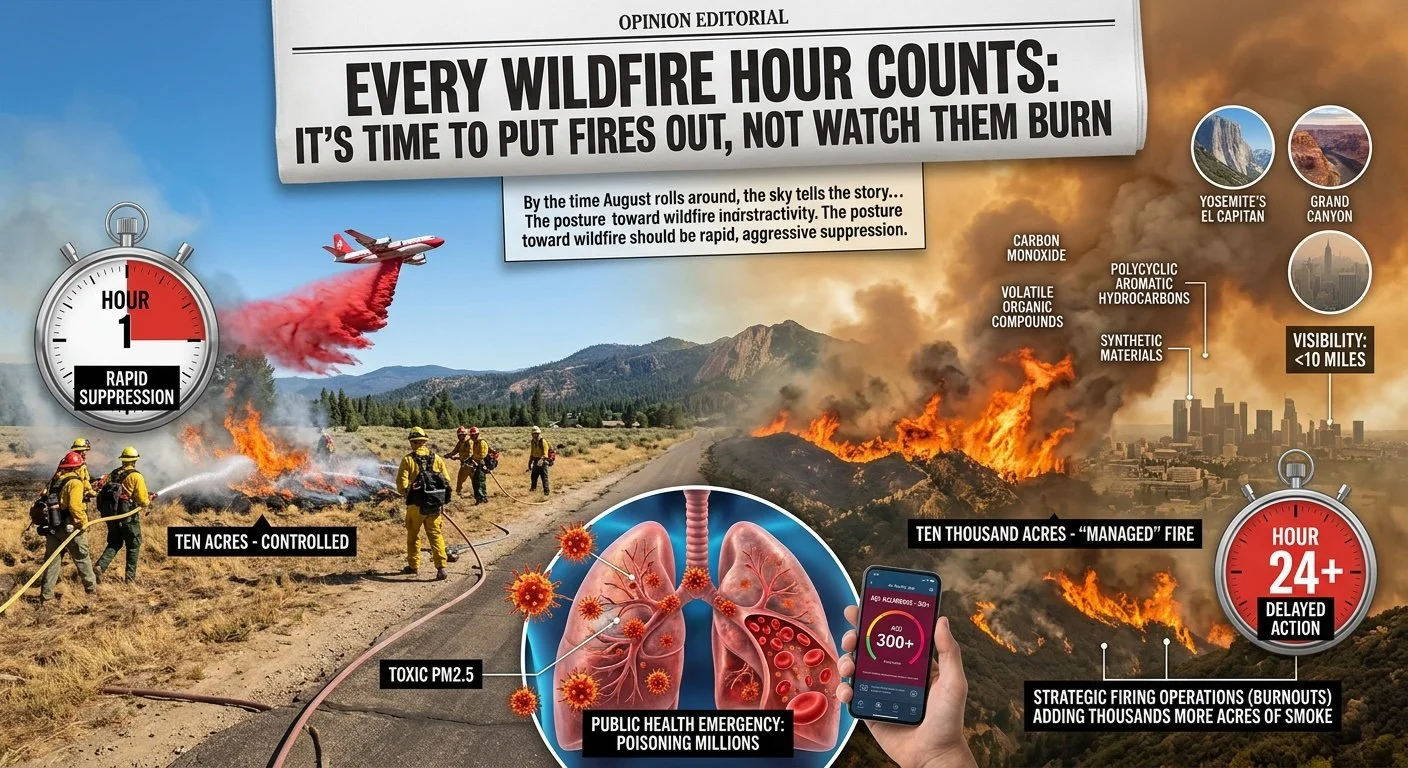
April 12, 2026 Every Wildfire Hour Counts: It's Time to Put Fires Out, Not Watch Them Burn