
Read the latest from Rachel
Rachel Lee Hall
Central Point, Oregon
Conservationist, citizen scientist
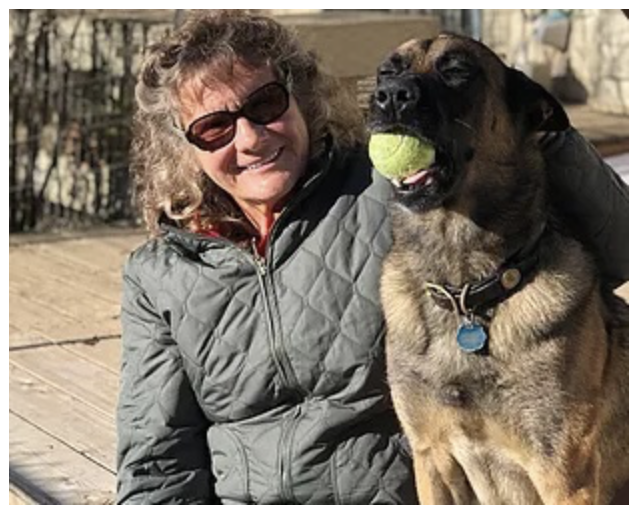
After nearly five decades living in the Rogue River Valley, Rachel has spent much of her life working with forests and land stewardship, including planting over 250,000 conifer trees in Southern Oregon. Drawing on decades of firsthand observation, Rachel created Forest Under Stress (FUS) to document and advocate for active forest management as a way to restore forest resilience and reduce catastrophic wildfires.
More Information
Biography
For over 48 years, I have lived in the Rogue River Valley with my husband Larry of forty-seven years, where our children were born. My interests encompass earth dynamics, geology and forestry while working in and enjoying farming, soil restoration, irrigation projects, orchard selection and planting, hunting, camping, gardening, and education. My hands planted over 250,000 conifers for the NF and private sector in Southern Oregon forty-five years ago under a 500,000-tree reforestation contract in Freemont NF and the Siskiyous Mountains.
To watch them burn by wildfire is a crime. Forests are lost to the entrenched policies that are destroying our present lives and future. Since 2020 I have been evacuated twice from wildfires in the Wildland Urban Interface (WUI). Passive Forest Management - management by nature - cannot resolve this problem. Lack of Active Forest Management is the problem.
Why, each year are there record-breaking crown fires with complete loss of habitat?
This question motivated me to create Forest Under Stress (FUS). The research and observations as a citizen advocate for the forest of Southern Oregon by using my photography past and present to construct visual observations of the manmade loss of resilience over the decades in a way where it is understood by all who read or view FUS efforts as the voice of the forest, which I represent.
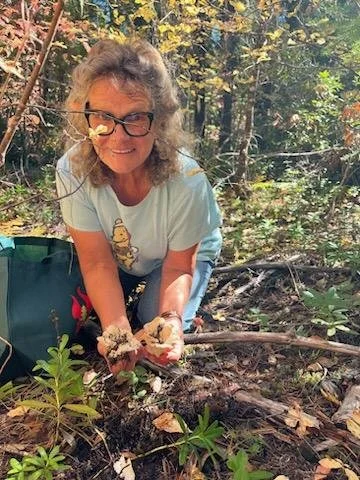
Over decades of observations as I hiked, hunted and gathered mushrooms in the RR-SNF I found the forest needed a citizen’s voice to share what I was observing, that it was dying from federally enforced Passive Forest Management (PFM). FUS is an advocate for restoration of resiliency to forest health by restoring Active Forest Management (AFM).
Even though science can be complicated, the photos in FUS tell the story. PFM or lack of management cannot resolve this problem. A great manmade disturbance in the forest evolved over the last three decades from PFM causing the NF of which Oregon has thirty million acres and Rogue River- Siskiyou National Forest (RR-SNF) where I live has 1.7 million acres approx. to lose resilience and burn in unprecedented catastrophic wildfires, including crown fires, once rare. A serious mistake was made by Doctors of Forestry Science, especially in the Dry Forest of Southern Oregon where I live, to not treat, thin and apply AFM.
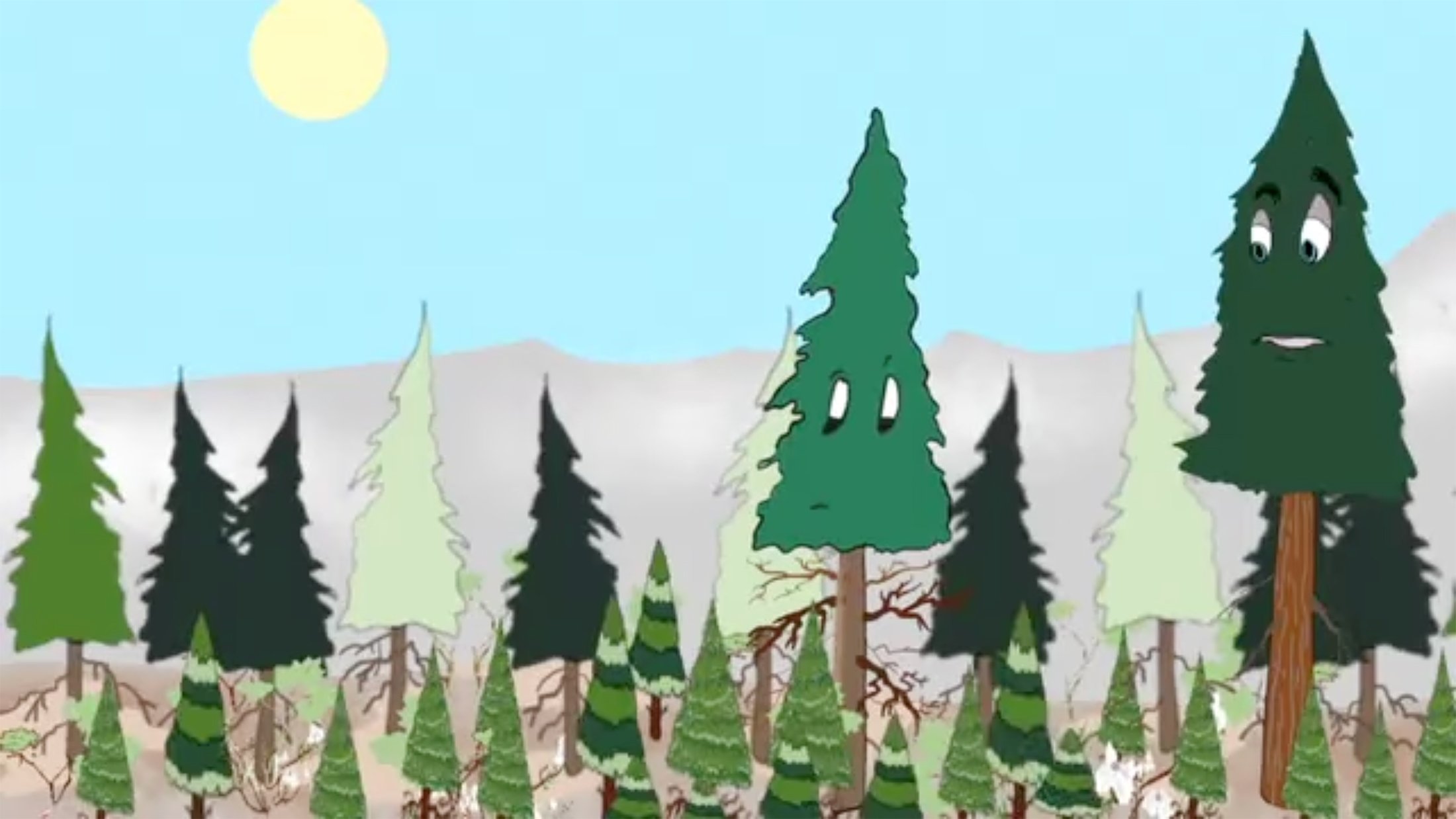
The lack of AFM disturbed the natural fire cycle by allowing competitive vegetative fuel load buildup in the forest, which in turn caused a major imbalance in the hydrological cycle in the soil profiles leading to coppering of the forest as vegetative mass competed for limited moisture, sunlight and succumb to dehydration, insect infestation, disease and overcrowding resulting in a Forest Under Stress.
Even if you do not agree with all FUS presents, perhaps something will be understood better. The impact of severe wildfires in rural to urban land gradient effects are horrific to all. I've experienced these impacts first hand.