Dr. Bob Zybach
Creswell, Oregon
Wildfire Researcher, Historical Ecologist & Reforestation Practitioner
Bob Zybach is a wildfire researcher and historical ecologist based in Oregon, with a PhD focused on the study of wildfires in the Douglas-fir region of the Pacific Northwest and Northern California. His work combines academic research with decades of hands-on experience in reforestation and prescribed fire, examining long-term wildfire patterns, forest management practices, and their impacts on landscapes and communities.
Biography
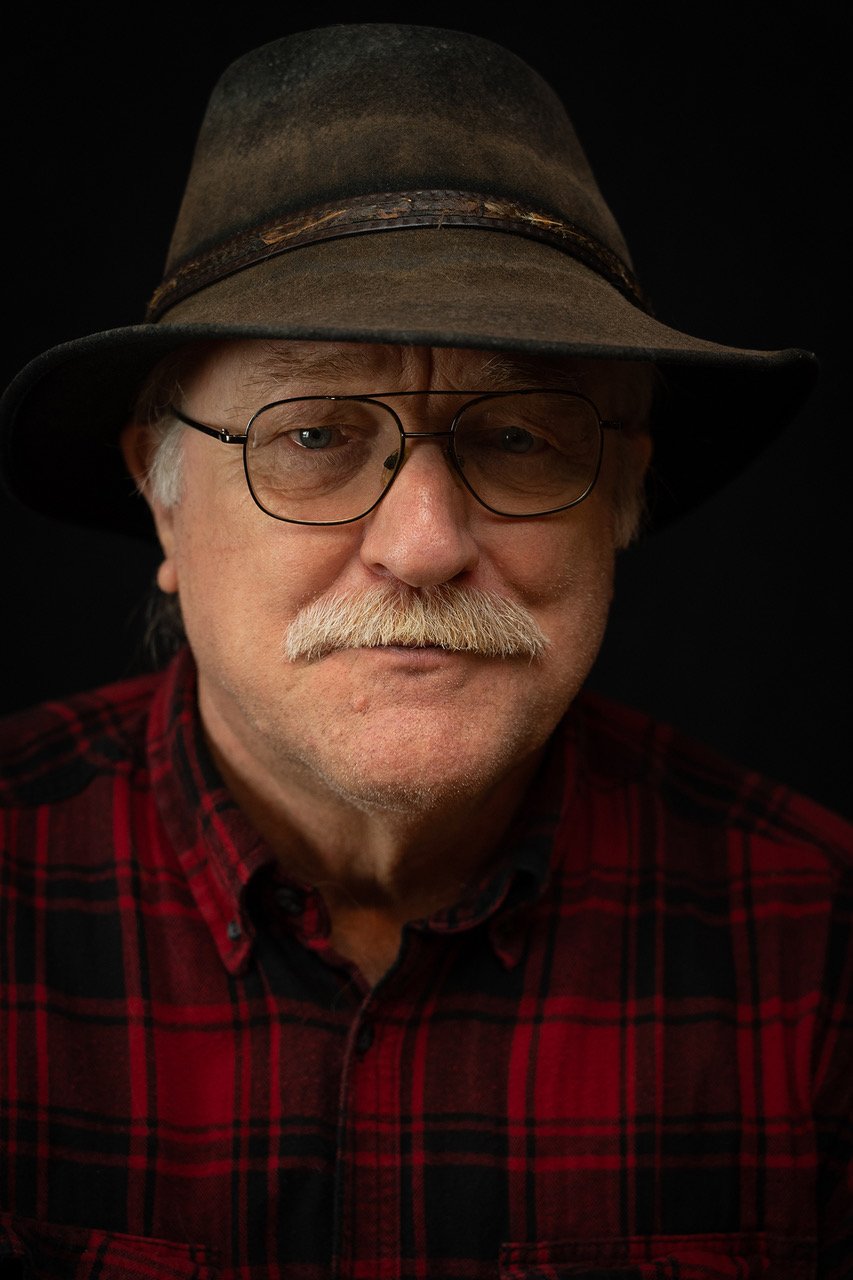
My name is Bob Zybach, I live in Creswell, Oregon and have a PhD in the study of wildfires.
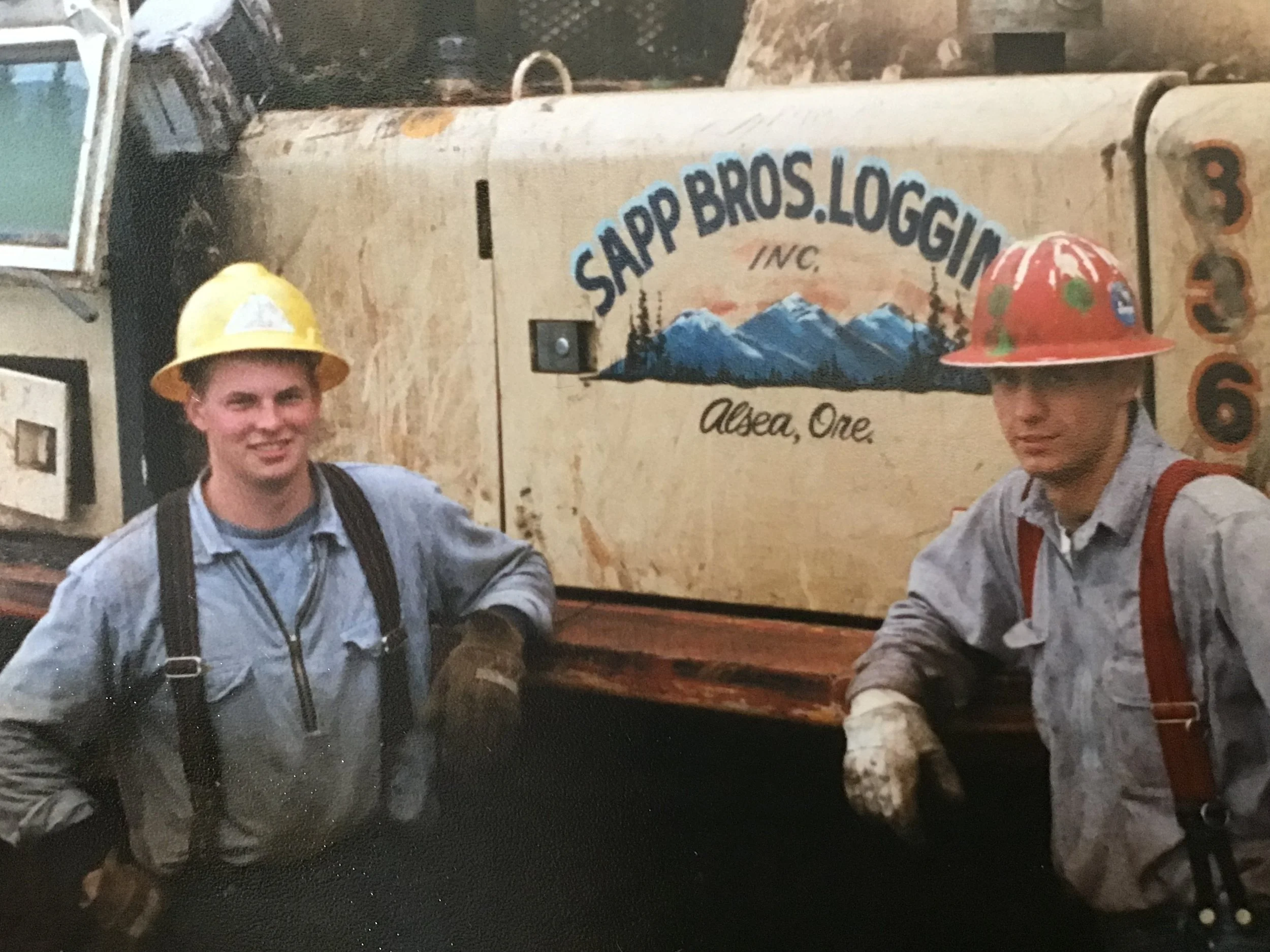
For nearly 20 years I operated a reforestation business, during which time my crews conducted several thousand acres of prescribed burns.
My science discipline is "historical ecology" and much of my research has focused on the history of wildfires in the Douglas Fir Region of western Washington, western Oregon, and northern California. Spotted owl habitat.
Regional wildfire research has a personal element for me, too. During the 1902 Yacolt Fire, my 2-year-old grandfather, his parents and siblings, survived by fleeing to an old Indian prairie, Speelyai, while 38 friends and neighbors were killed.
The 1933 and 1939 Tillamook Fires made international news for weeks and the massive mushroom clouds were clearly visible -- and memorable -- from my stepfather's front porch in Portland.
In 1962 I filled my first deer tag in the Tillamook Burn with my dad, and weeks later I planted my first trees there, too, with my high school biology club from Portland.
In 1966 the 43,000-acre Oxbow Fire took place on the Oregon Coast and I planted my first professional trees 100 miles to the east, in the western Cascades.
From that time until 20 years later, there was not a single wildfire in western Oregon greater than 10,000 acres; and during which time my crews did nearly 20,000 acres of prescribed burns without a single escapement. Most of this work was done in the old Yaquina Burn from1868.
Then, in 1987, the first Wilderness Areas from the 1960s began to catch fire, beginning with the 87,000-acre Silver Complex in the Kalmiopsis.
Following the adoption of the 1993 Clinton Plan's new spotted owl management policies, our National Forests began to burn, too. In the hundreds of thousands of acres, as had been clearly predicted.
These accurate predictions were made by scientists and forest managers with actual knowledge and experience, not by agency modelers or academic ecologists. They had nothing to do with climate, which has remained stable throughout the region.
And now our towns are beginning to burn, too, by the dozens, from these fires.In 1936 a forest fire destroyed the town of Bandon, Oregon, killing 10 residents.
In 1951 part of Forks, Washington burned, along with 33,000 acres of forest. No one died, but it was the worst fire in State history.
And that was mostly it for the Douglas Fir Region until the Clinton Plan was adopted. Then, in 1999, Bella Vista burned, and in 2004 French Gulch burned, both in Shasta County, California.
In 2017 and 2018, ten more California towns burned in forest fires and 125 people were killed. The deadly destruction of Paradise made national news, but nine other towns also burned in Shasta, Trinity, Ventura, and Butte counties. That was more towns in two years than had burned in the previous 100.
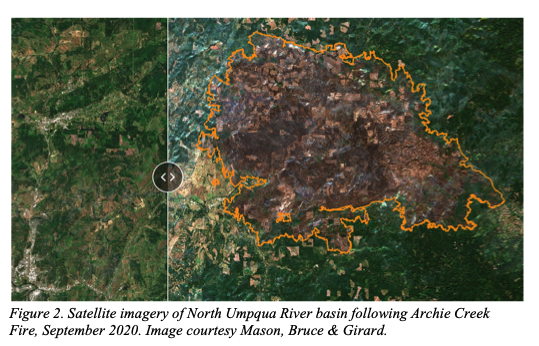
It got worse. In September 2020, 19 more towns burned: nine in Oregon, nine in California, and one in Washington, making 2020 the worst fire year in US history since 1910, or even 1871.
From 1902 until 1999, nearly 100 years, only two or three towns burned in Douglas fir forest fires. Since then, after only 25 years of spotted owl "critical habitat, " more than 50 towns have burned -- and almost all in National Forest wildfires.
Following the fires of 1910, the US Forest Service mission to protect US homes and communities was greatly successful for nearly a century. But now we have a national emergency because of their setting fires to the very forests and properties we have paid them to protect.