
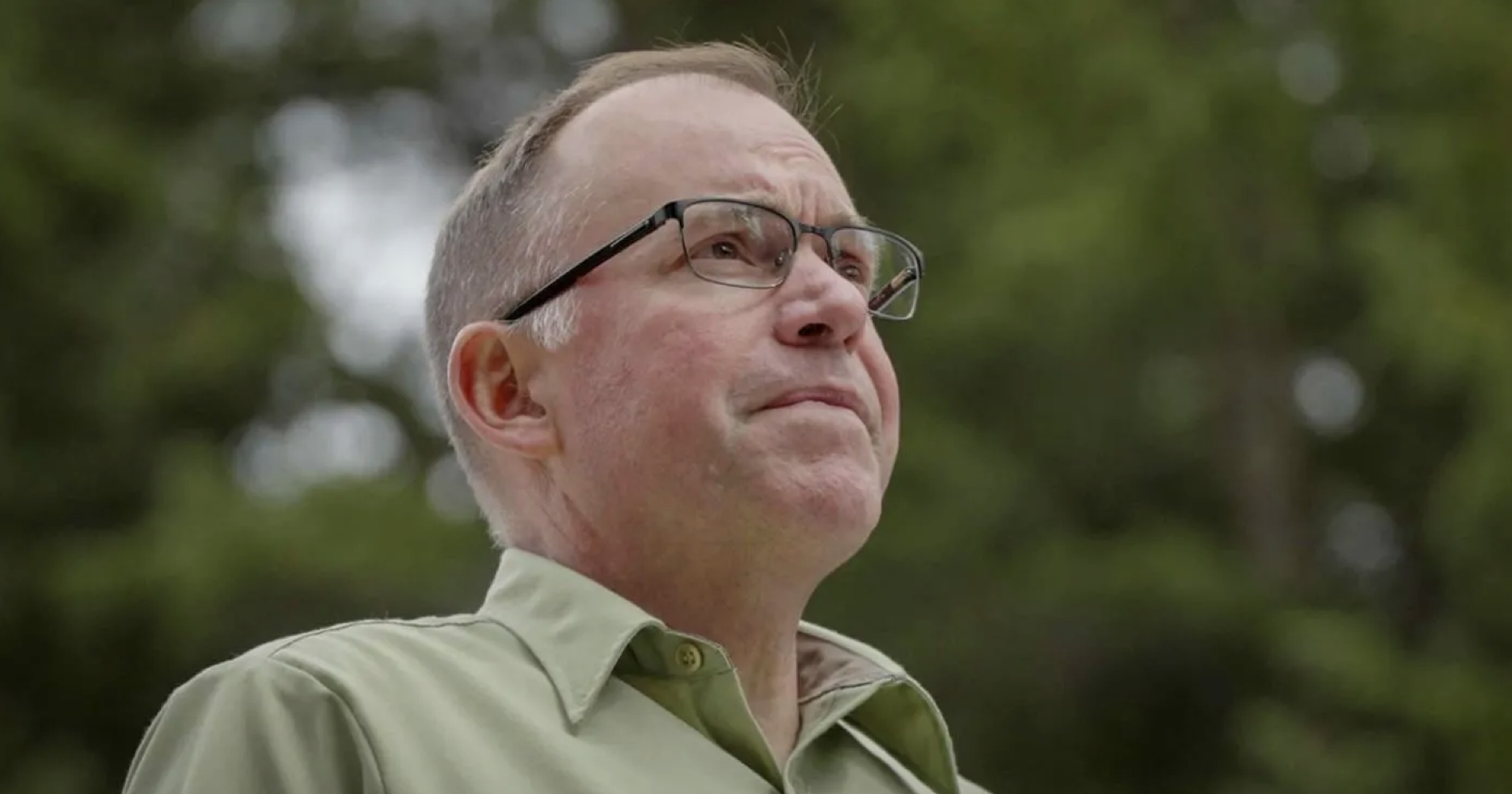
“Yes, the Gap Can Be Bridged"...USFS Chief, Tom Schultz
Jim Peterson interviewed, U.S. Forest Service Chief Tom Schultz a second time for Evergreen Magazine. Shultz discusses wildfire impacts, leadership priorities, and the need to bridge divisions over forest management, emphasizing adaptive management, active stewardship, and collaboration to reduce wildfire risk and address stand-replacing fires.
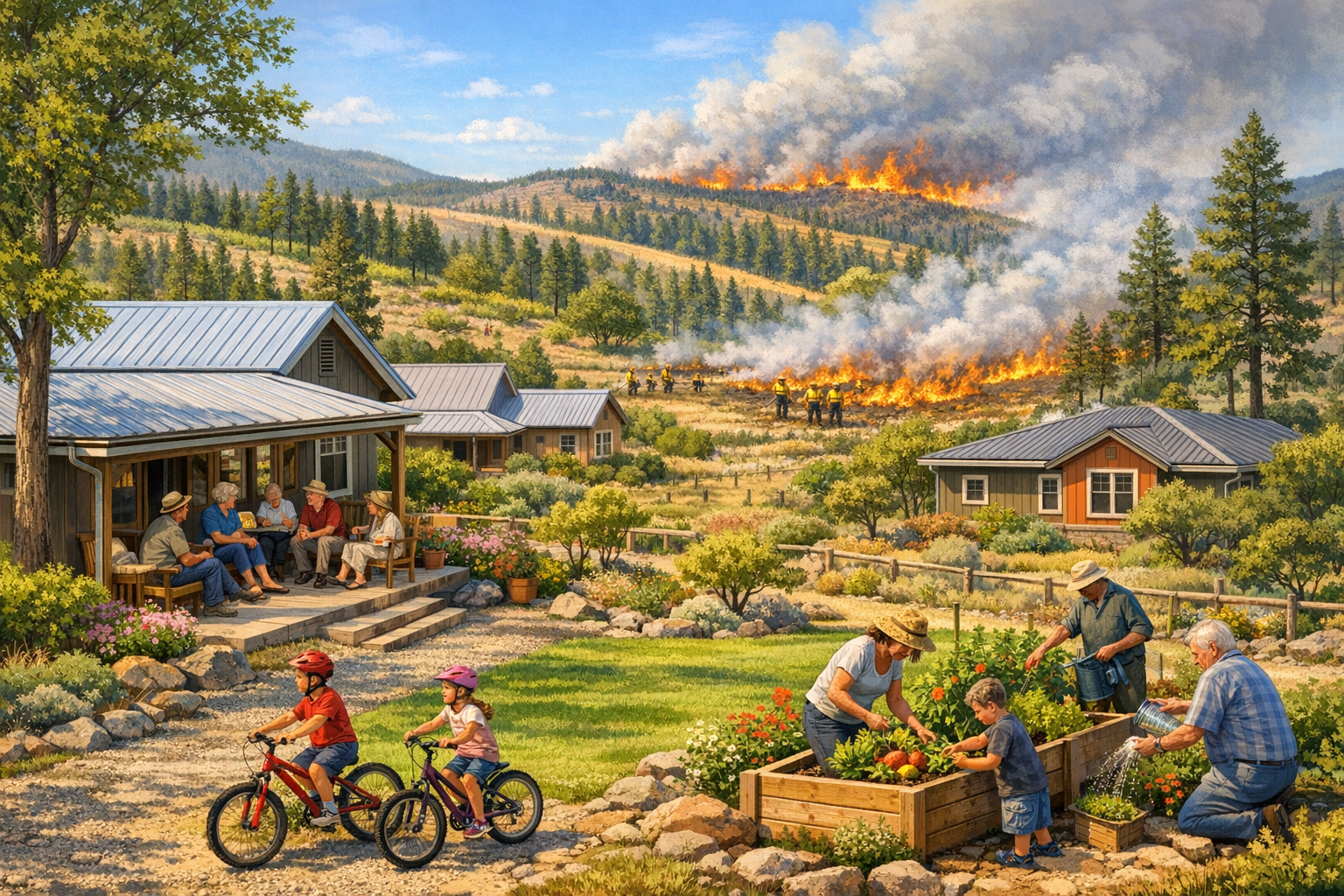
A Fire-Worthy World
Frank Carroll’s editorial A Fire-Worthy World argues that current wildfire spending prioritizes suppression over prevention, comparing the high costs of fighting large wildfires with proactive investments in fuel reduction and landscape management. The article advocates for long-term, community-centered strategies that reduce wildfire severity, improve safety, and support living with fire rather than reacting to catastrophe.
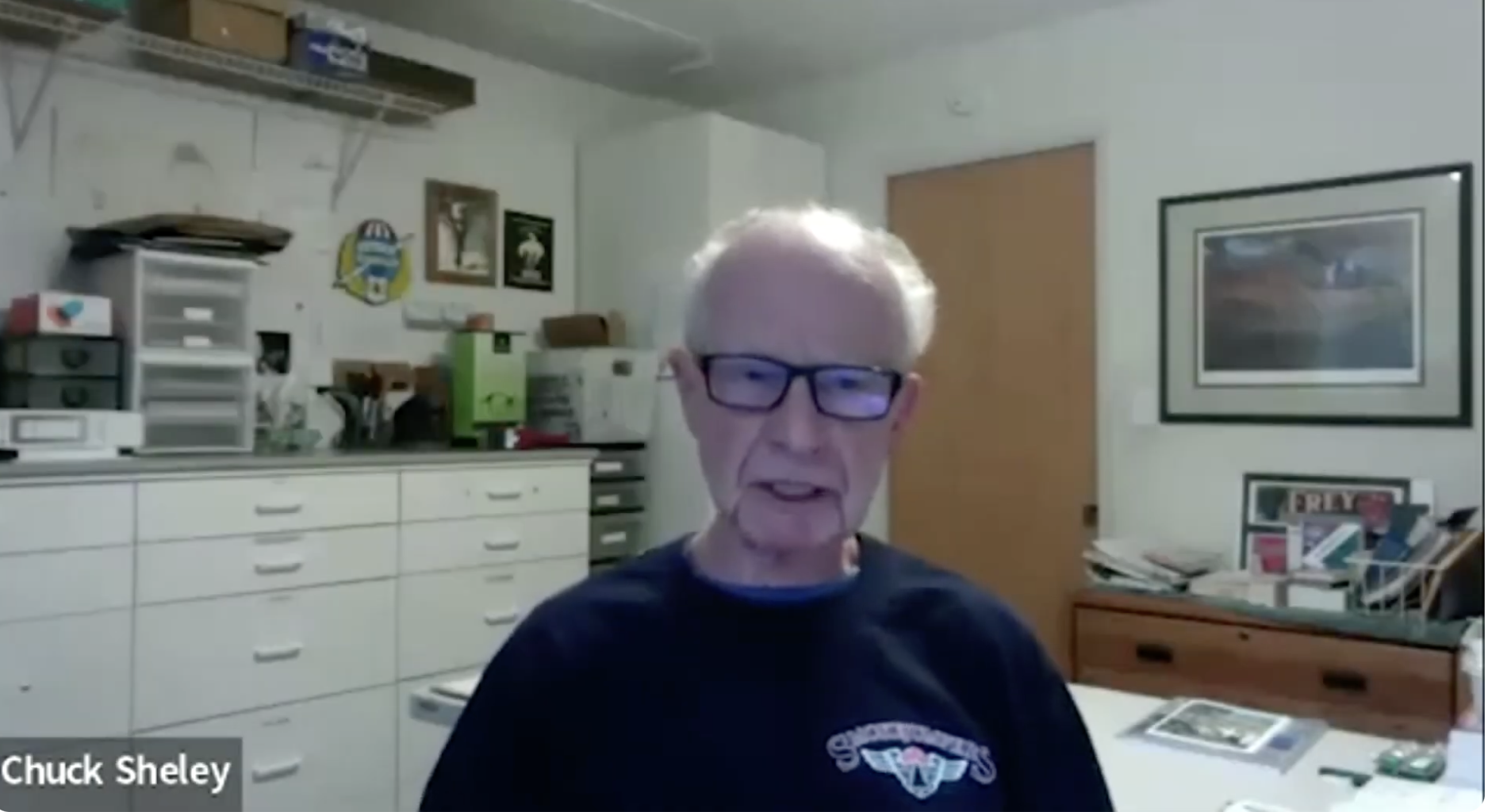
NWI/NWA Transcript: Smokejumpers, “Managed Wildfires” and the Northwest Forest Plan
Chuck Sheley discusses wildfire impacts on Northern California communities, emphasizing smoke, public health, and economic consequences while advocating for rapid initial attack, increased smokejumper use, and reconsideration of current wildfire management approaches.
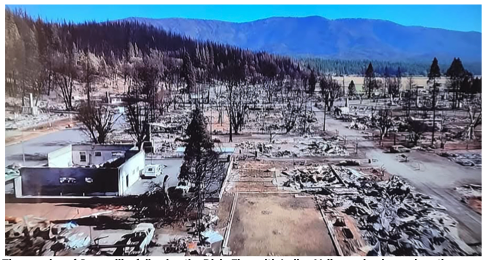
Burned Out: Deadly National Forest Fires Now Entering Towns
Dr. Bob Zybach examines recent National Forest wildfires that have burned into Western communities, comparing recent losses with historical trends and arguing that current forest conditions and management practices have increased wildfire risk to towns and rural landscapes.
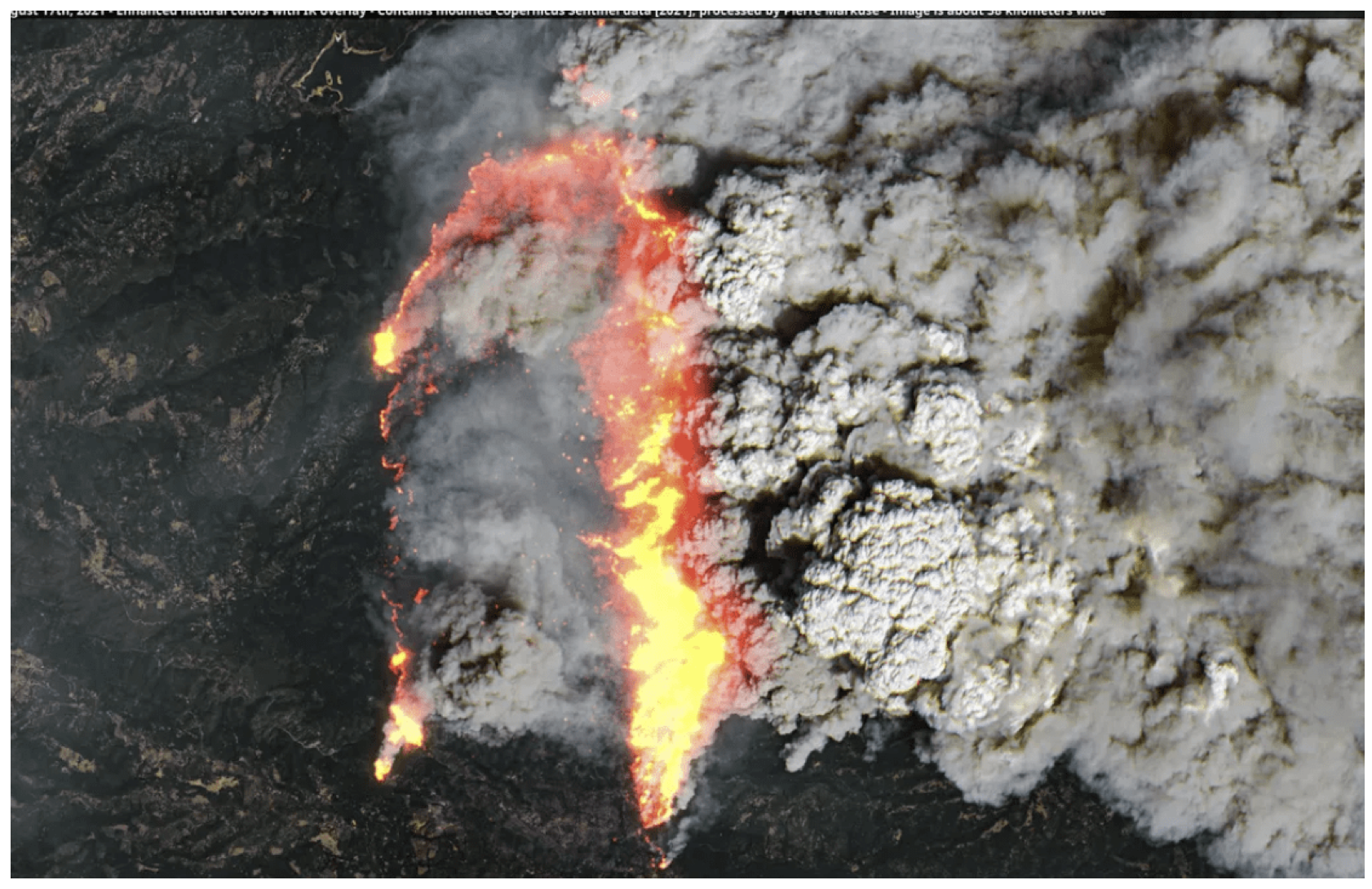
License To Burn: Wildfire As the Ultimate Private-Public Partnership (Part One)
Dana Tibbitts examines wildfire policy and shared stewardship agreements, questioning public-private partnerships, managed fire strategies, and decision-making influences shaping wildfire management and outcomes in California’s Tahoe Basin and surrounding regions.
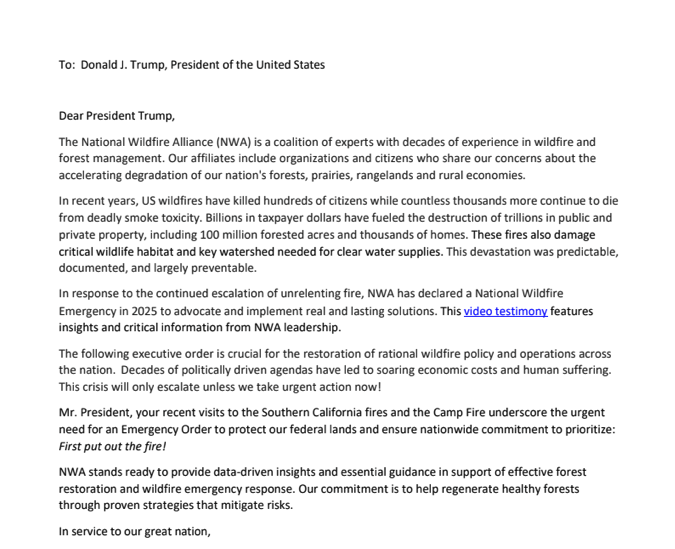
National Wildfire Alliance Executive Order 2025*
William Derr, president of NWA and other members submitted the following executive order declaring a national wildfire emergency, advocating stronger suppression policies, active forest management, fuel reduction, and federal reforms to address escalating wildfire risks and impacts.
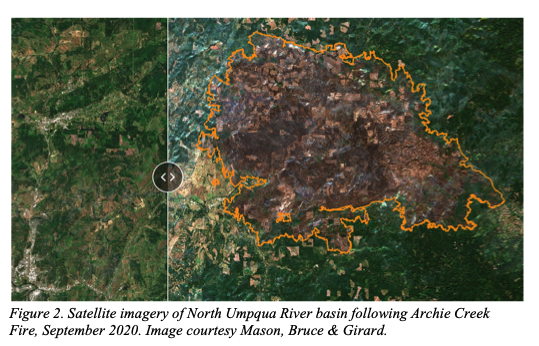
A GROWING SEA OF SNAGS
North Umpqua River Wildfires, 2002–2022: Risks and Recommendations by Dr. Bob Zybach examines the causes and impacts of catastrophic wildfire in the North Umpqua basin following the 2020 Labor Day Fires. The report analyzes fuel conditions, prior fire effects, and landscape management factors contributing to fire behavior, and offers recommendations aimed at reducing future wildfire risk to communities, infrastructure, and forest ecosystems.