
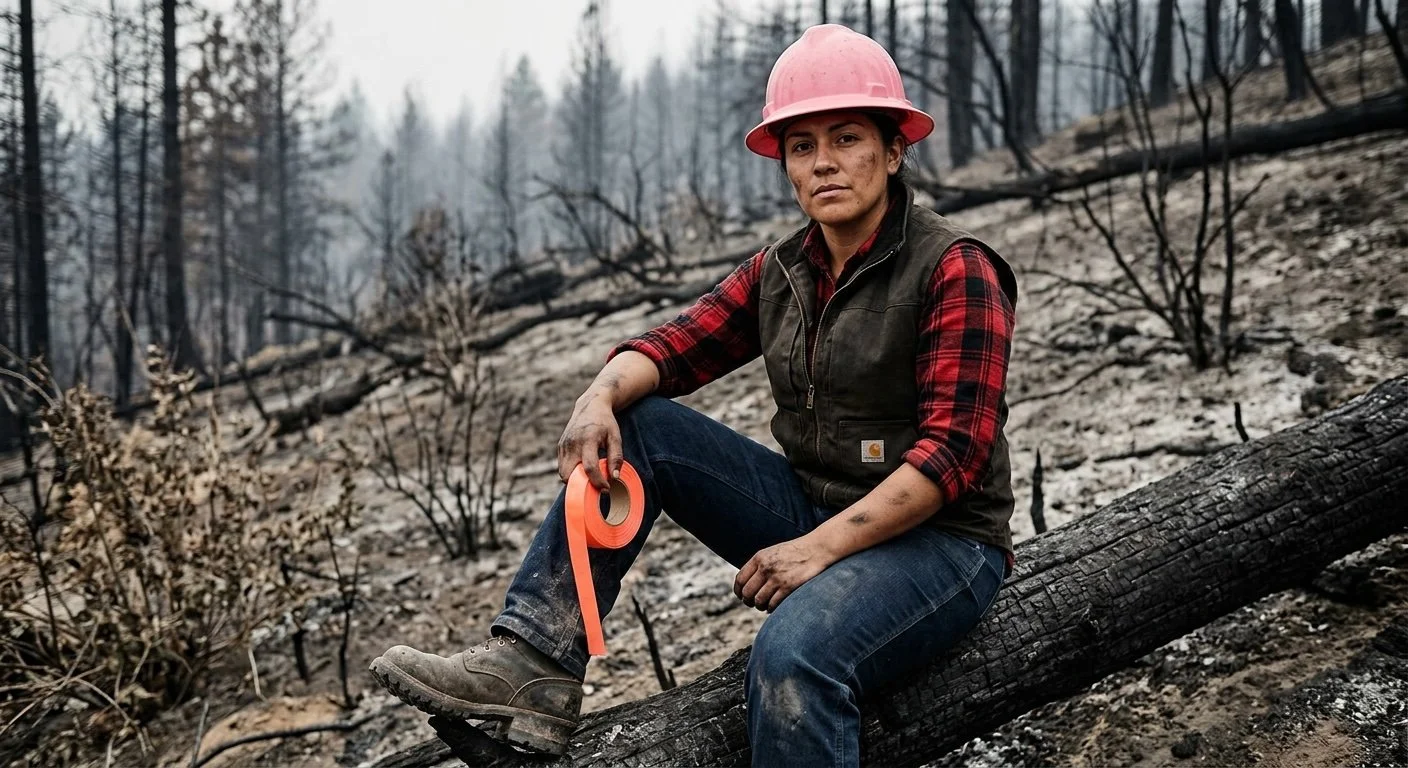
Our Forests, Our Future: Rejecting the "Hands-Off" Dogma That Is Burning America
In this editorial, Frank Carroll rejects hands-off forest policy and argues that active management is essential to protecting national forests, rural communities, and public resources. Framed as a response to preservationist wildfire arguments, the article makes the case for thinning, timber harvest, prescribed fire, and multiple-use stewardship.
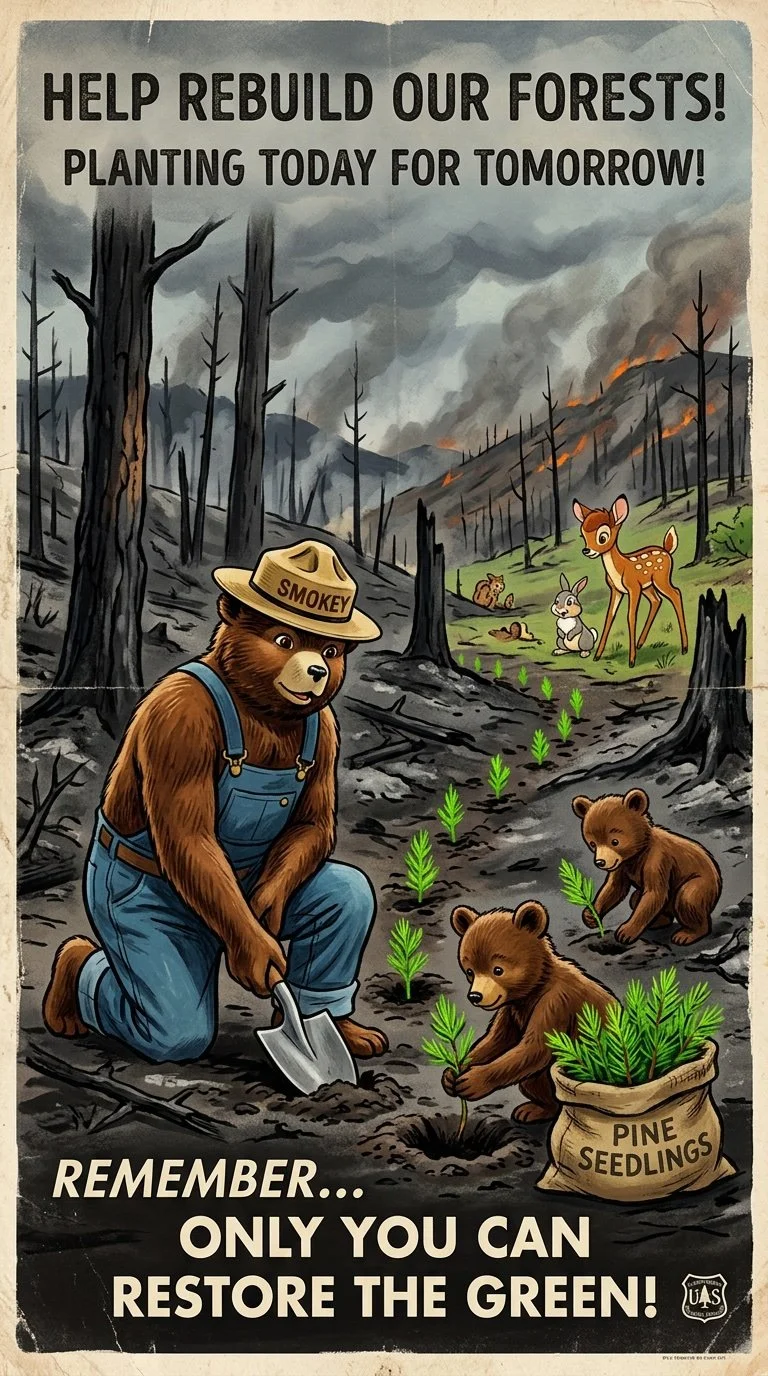
The Firestorm After the Flames: Why Post-Wildfire Forest Restoration Demands New Policies
This article by Frank Carroll argues that catastrophic wildfire is being worsened by failed federal fire policy and weak post-fire restoration practices. It calls for a new approach centered on immediate suppression, rapid salvage, hazardous fuel removal, road and soil restoration, and active forest management that uses timber and biomass markets to help fund long-term recovery.
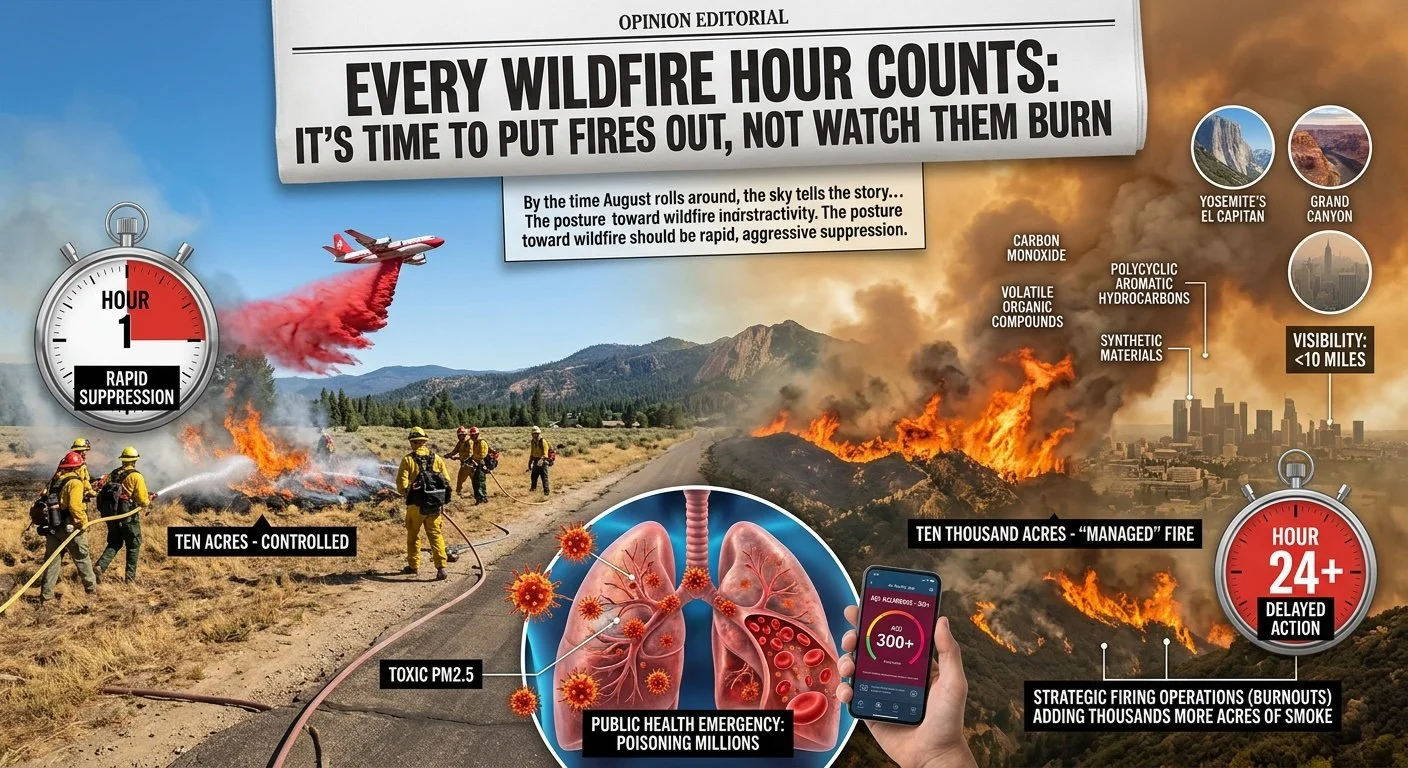
Every Wildfire Hour Counts: It's Time to Put Fires Out, Not Watch Them Burn
Frank Carroll: By the time August arrives in the American West, the sky tells the story — a sickly orange haze, emergency rooms full of wheezing patients, and fires that could have been contained at ten acres managed into ten thousand. The science is clear: wildfire smoke's fine particulate matter enters the lungs and bloodstream, and may be more toxic per unit of exposure than particles from other sources. The default approach must be quick, aggressive suppression. Put the fires out. Put them out early. Put them out small. Lives depend on it.

A New Chapter for the Forest Service — But Only If We Get It Right
Frank Carroll writes about the U.S. Forest Service is relocating its headquarters, closing regional offices, and rebuilding around 15 state directors — the most sweeping restructuring in its 121-year history. Proximity to the land is a promising start, but structural reform is only as effective as the principles guiding it. Community safety, policy transparency, accountability, and land stewardship — including Indigenous cultural burning — must not get lost in the reorganization. The next chapter is being written. These four pillars must be on every page.
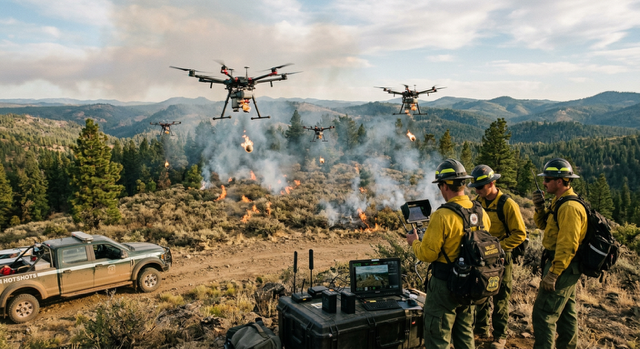
Opinion: PODs were designed as planning tools — not as preapproved sacrifice zones
Frank Carroll argues that the U.S. Forest Service's Potential Operational Delineations (PODs) were designed as planning tools — not preauthorized burn zones. But in practice, many communities fear that POD boundaries are quietly becoming "big boxes": areas where incident teams can justify indirect tactics, allow large sections to burn, and invoke vague "resource benefit" or "firefighter safety" rationales with little accountability. Carroll makes the case that communities near the wildland-urban interface must demand transparency, meaningful public input, and a clear commitment to full suppression — before the next fire starts.
When Controlled Burns Go Bad
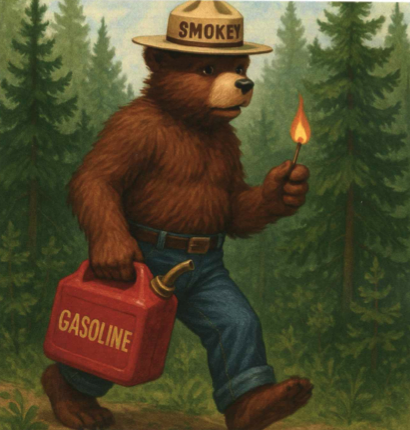
“When Controlled Burns Go Bad, The Deadly Lessons of California’s 2020 North Complex Fire”. This article by Dr Bob Zybach and Frank Carrol examines the 2020 North Complex Fire in northern California, exploring how a lightning-sparked wildfire that was initially left unstaffed eventually grew into a catastrophic event. It highlights the risks of wildfire management decisions and controlled burn strategies when conditions allow fires to rapidly expand and threaten nearby communities.
A Fire-Worthy World
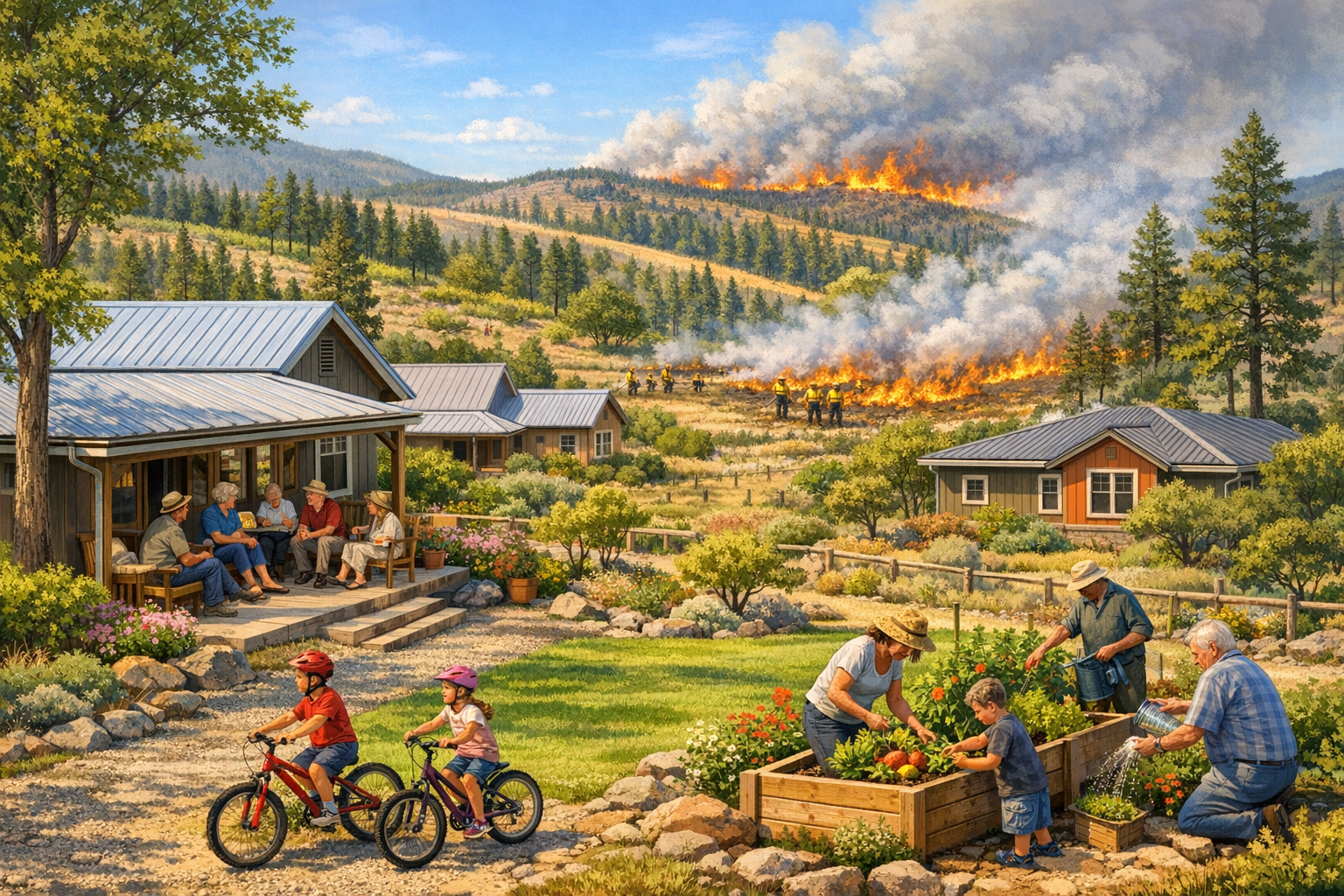
Frank Carroll’s editorial A Fire-Worthy World argues that current wildfire spending prioritizes suppression over prevention, comparing the high costs of fighting large wildfires with proactive investments in fuel reduction and landscape management. The article advocates for long-term, community-centered strategies that reduce wildfire severity, improve safety, and support living with fire rather than reacting to catastrophe.