New Alliance Building Wildfire Readiness & Forest Resilience Across the American West
Western Wildfire Workforce & Rapid Response Initiative
By: Dana Tibbitts
Date: May 25, 2026
Source: https://www.nwasolution.org
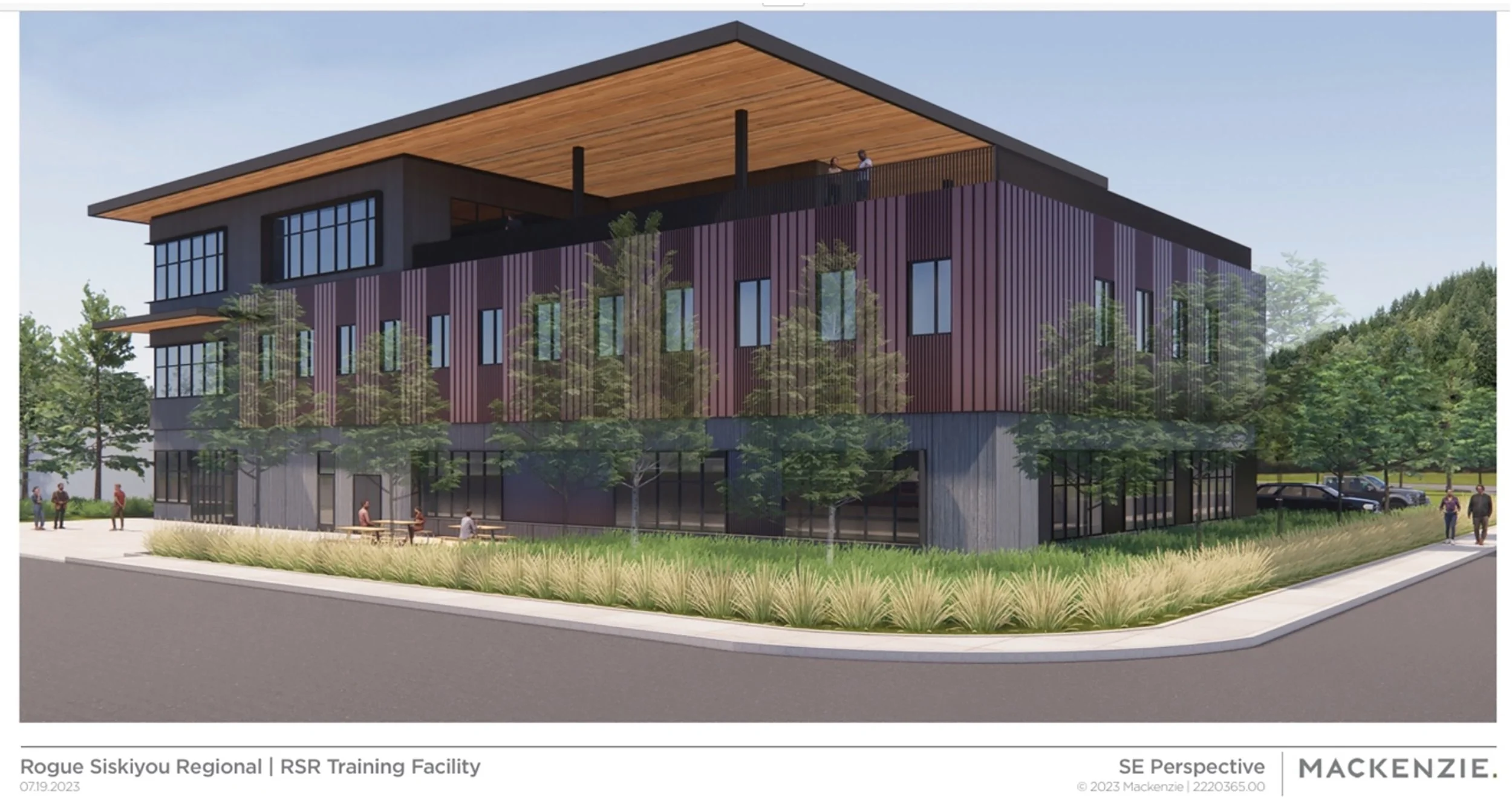
As catastrophic wildfire risk continues to escalate across the Western United States, a new alliance is emerging to address one of the region’s most urgent and underdeveloped needs: a scalable, year-round wildfire workforce and rapid response system capable of operating across jurisdictional boundaries, agencies and operational systems.
Through a newly signed Memorandum of Understanding (MOU), the National Wildfire Alliance (NWA) and the Rogue Siskiyou Regional Wildfire Training Center (RSR) have formally launched the Western Wildfire Workforce & Rapid Response Initiative.
“Wildfire is regional. Effective response must become regional as well,” said Cam Parry, Project Manager for the Rogue Siskiyou Regional Wildfire Training Center. “This initiative is about building the workforce and operational capacity the West has been missing for decades. By creating a year-round wildfire and forest management workforce, we have an opportunity to fundamentally change how communities prepare for, respond to, and combat catastrophic fire.”
This initiative represents one of the most ambitious emerging wildfire workforce development and rapid response training efforts currently underway in the American West, with projected capacity to train up to 1,500 wildfire cadets annually for full-time, year-round employment in wildfire response, fuels reduction, forest management, reforestation, and land stewardship operations.
What distinguishes the initiative is not simply scale, but the core structure. Unlike many existing wildfire programs, this alliance is being developed as an independent, multi-state regional model focused on operational coordination, workforce development, rapid response capability, and long-term landscape resilience across Oregon, Washington, Northern California, Idaho, and the broader Western United States.
“A new regional operational model is emerging in the West,” said Frank Carroll, Vice President of the National Wildfire Alliance. “And we need it. The West does not have a wildfire shortage — it has a workforce and operational capacity shortage. For too long, response systems have remained fragmented while wildfire has grown larger, faster, and more destructive across the region. What is emerging through this alliance is a practical regional model focused on training, readiness, rapid response, and active forest management at meaningful scale.”
Current wildfire response systems across the West remain heavily fragmented between jurisdictions, agencies, seasonal staffing models, and short-term funding cycles. At the same time, fuel accumulation, workforce shortages, and extreme fire behavior continue to intensify.
The Western Wildfire Workforce & Rapid Response Initiative seeks to close that gap by integrating wildfire training, rapid response, fuels management, forest restoration, and workforce retention into a coordinated regional operational framework capable of adapting to conditions across multiple Western states.
Importantly, the initiative is designed not only to train firefighters, but to rebuild a sustained operational workforce capable of supporting year-round land management and wildfire resilience efforts throughout the West. The long-term objective is to strengthen community protection, accelerate response capability, improve forest health, and restore operational continuity across high-risk landscapes increasingly impacted by catastrophic wildfire.
Under the alliance structure, the Rogue Siskiyou Regional Wildfire Training Center will serve as the primary implementation and training partner responsible for operational development, facility expansion, workforce training, and field execution. The National Wildfire Alliance will serve as the research, communications, policy coordination, outreach, and replication strategy partner, helping support regional expansion and long-term alliance development.
“The scale of the wildfire crisis now demands operational scale in response,” said Tyson Krieger, Executive Director of the Rogue Siskiyou Regional Wildfire Training Center. “This initiative is designed to build a year-round workforce capable of supporting wildfire suppression, rapid response, fuels reduction, forest restoration, and long-term land stewardship across the American West. At full projected capacity, we believe the program can train 1,500 cadets annually.”
Unlike traditional seasonal staffing models, the initiative seeks to establish full-time, year-round workforce pathways directly tied to active forest management and landscape resilience. This approach addresses both ecological and economic needs by helping create stable employment opportunities in rural and forested communities increasingly impacted by wildfire.
The alliance is also designed as a replicable model for broader regional and national application.
Its structure allows the organizations to operate flexibly across jurisdictions while maintaining transparent organizational independence, measurable outcomes, and clear accountability regarding implementation and resource allocation.
“At the center of this initiative is a clear operational philosophy: First, put out the fire,” said William Derr, NWA President. “The first 24 hours are critical. Effective rapid response and initial attack capability can mean the difference between a manageable incident and a catastrophic regional disaster.”
At its core, the initiative reflects a growing recognition that wildfire resilience will require more than emergency response alone. It will require trained people, sustained operational capacity, coordinated regional systems, and a renewed commitment to active stewardship of Western landscapes.
Alliance leadership includes William Derr, President of the National Wildfire Alliance; Frank Carroll, Vice President of NWA; Tyson Krieger, Executive Director of the Rogue Siskiyou Regional Wildfire Training Center; and Cam Parry, Project Manager for RSR.