
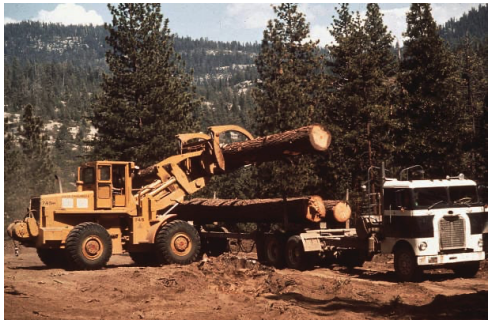
Rebuilding the Forest Service: Part 2
In this Evergreen Magazine interview, Jim Petersen talks with retired Forest Service leader Phil Aune about his career and his view that centralized planning, policy shifts, and managed wildfire have undermined active forest management. He argues that rebuilding the Forest Service requires stronger leadership, measurable outcomes, and decisions moved closer to the ground.
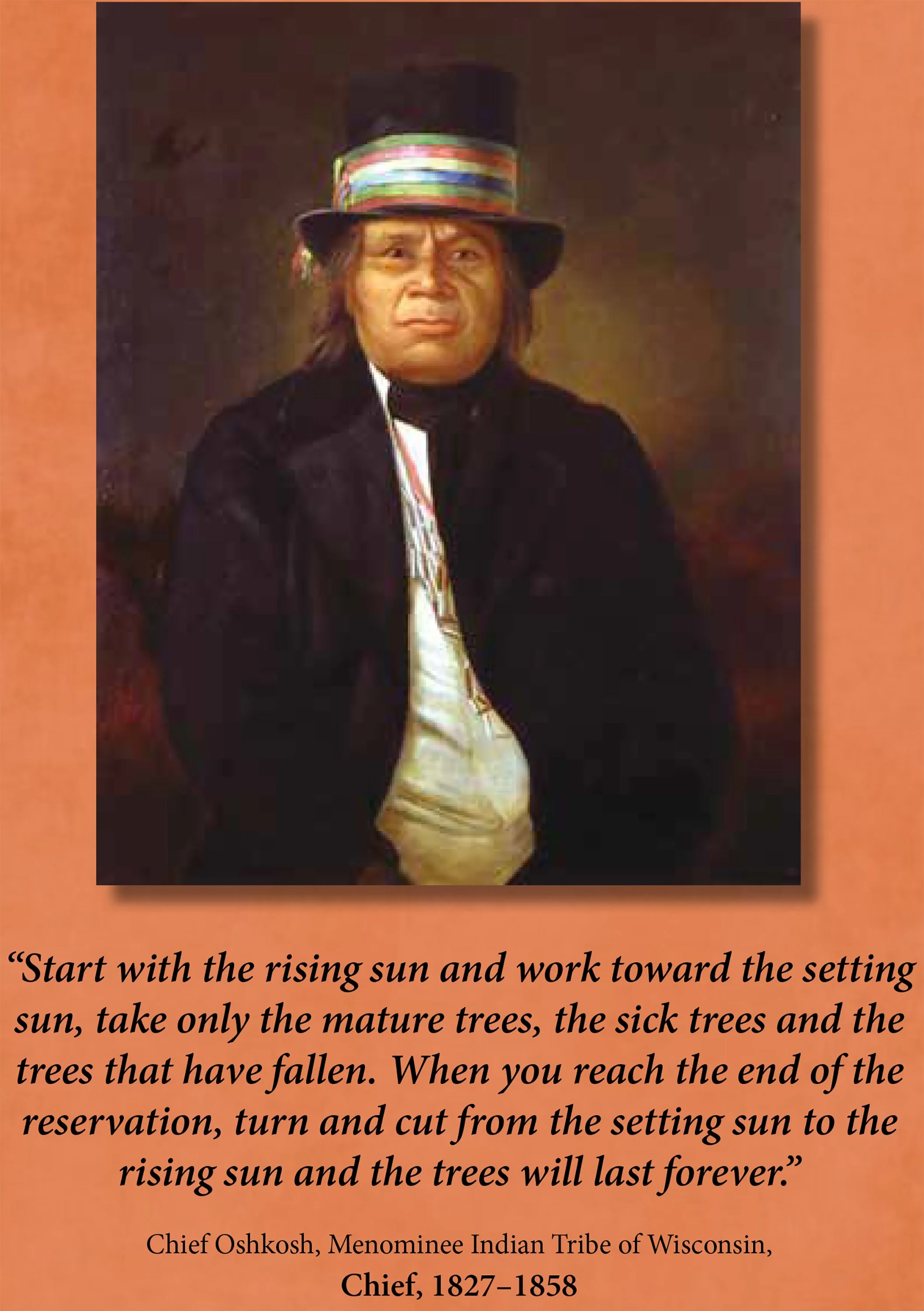
Forestry in Indian Country: Solving Federal Forestry’s Rubik’s Cube
This is Jim Petersen’s 3rd of four 10-year Evergreen reports on forests and forestry in Indian Country. This publication examines how tribal forestry blends traditional knowledge, long-term stewardship, and practical land management to care for forests across Indian Country. Drawing from the IFMAT III assessment and voices from tribal leaders, foresters, and researchers, it highlights tribal forestry as a strong model for restoring forest health, reducing wildfire risk, supporting rural economies, and strengthening the connection between land, culture, and community.
First, Put Out the Fire! and Restore Our Forests with Traditional Practices
Jim Petersen talks about the nation’s wildfire and forest health crisis as an ongoing emergency driven by overcrowded federal forests, rising tree mortality, and decades of blocked management. It calls for a return to active, science-based restoration and points to traditional tribal forestry practices as a practical model for reducing fire risk, improving forest resilience, and protecting communities.
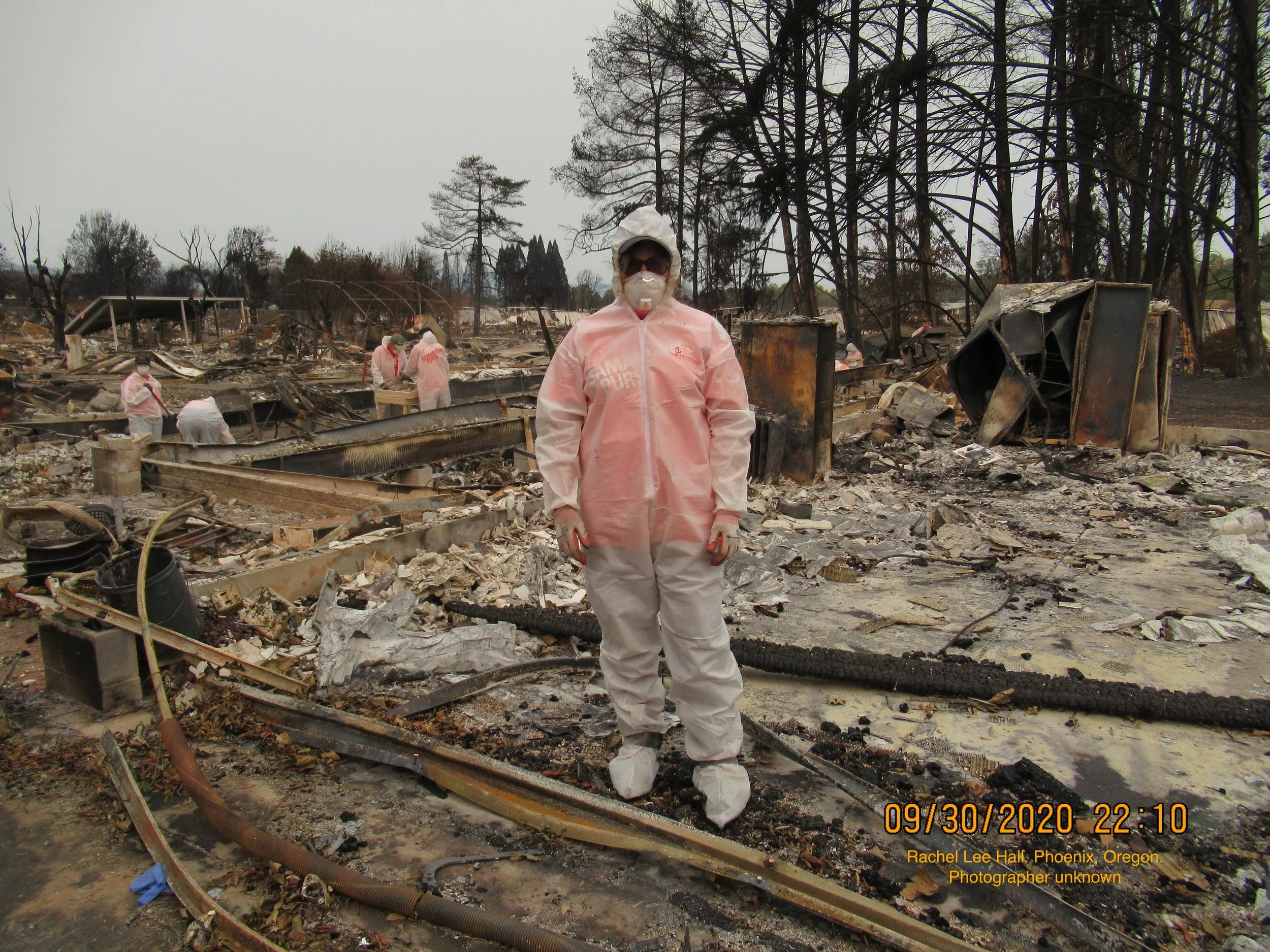
The Pack-A-Day Club, Reconsidered
Jim Petersen & Julia Petersen: For years, westerners reached for a blunt comparison: breathing heavy wildfire smoke felt like smoking a pack of cigarettes a day. The science has since caught up — and the reality is worse. Wildfire smoke is a complex chemical mix of PM2.5, carbon monoxide, formaldehyde, and nitrogen oxides that crosses state lines, floods cities, and fills emergency rooms. The flames may burn in remote forests, but smoke closes the distance. This is no longer the West's problem to endure quietly. It is the country's.

Burning Ruth: The Questions of August
Jim Peterson, editor of Evergreen posted this essay by wildfire experts Roger Jaegeland James Montgomery asks the questions no one else is asking: Who made the decision to light those fires? Did they ignore the weather reports, or did they just not care? And as dead timber remains standing across the burn scar, will Ruth burn again in the next decade?
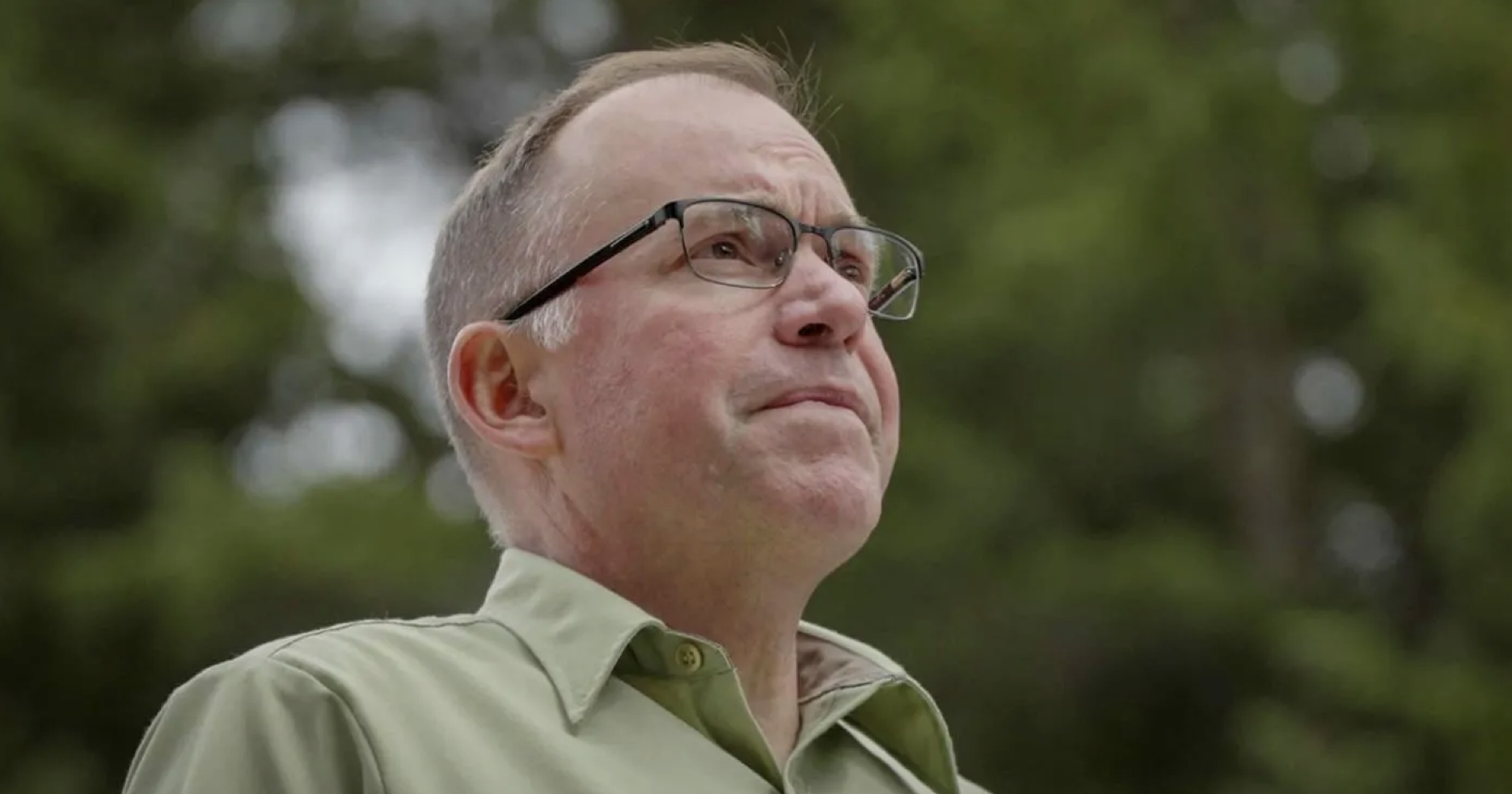
“Yes, the Gap Can Be Bridged"...USFS Chief, Tom Schultz
Jim Peterson interviewed, U.S. Forest Service Chief Tom Schultz a second time for Evergreen Magazine. Shultz discusses wildfire impacts, leadership priorities, and the need to bridge divisions over forest management, emphasizing adaptive management, active stewardship, and collaboration to reduce wildfire risk and address stand-replacing fires.